
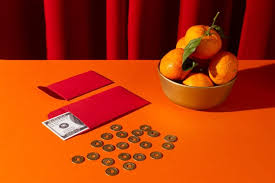
Red packets, often called hongbao or lai see, are envelopes containing money. They are given as gifts during celebrations and holidays. Their regional variations reflect diverse cultural traditions and customs.
Understanding Red Packets Across Cultures
Red packets are a symbol of good fortune. The color red itself means luck and joy. It’s used to ward off evil spirits.
Giving money in a red packet is a way to share blessings. It’s not just about the money inside. It’s about the gesture.
It’s about spreading good wishes.
Many people think of China when they hear about red packets. And China has many traditions. But other countries also use them.
Japan, Korea, Vietnam, and even some Western cultures have similar practices. Each place adds its own twist. These differences make the practice rich and interesting.
The amount of money inside also matters. It’s usually an even number. This is because even numbers are seen as lucky.
But sometimes, numbers that sound like bad words are avoided. For example, the number four can sound like “death” in some languages. So, four is often skipped.
The Chinese Red Packet Landscape
China has the most widespread and diverse use of red packets. Their traditions are deep and varied. This is due to its long history.
It also has a huge population. Different regions have developed unique customs.
Lunar New Year (Spring Festival) Traditions
This is the most common time for giving red packets. It’s a huge holiday in China. Families gather.
Children visit elders. Elders give money to younger, unmarried relatives. This is a sign of blessing and care.
Married couples also give to unmarried nieces and nephews.
The design of the packet often features symbols of the new year. This includes zodiac animals, flowers, and lucky characters. The amount of money can vary greatly.
It depends on the relationship between the giver and receiver. It also depends on the financial status of the giver.
In some families, specific rules exist. For instance, a new year’s red packet might be given only once. Or it might be given in a specific sequence.
These rules are passed down through generations. They add a layer of personal touch to the tradition.
Weddings and Celebrations
Red packets are also given at weddings. They are often given by guests to the couple. This is to help the new couple start their life.
The amount given is usually more substantial. It reflects the joy and support for the union.
Other happy occasions also involve red packets. These include birthdays, graduations, and the birth of a child. Each event has its own way of using them.
The packets might have special designs for these events too.
The act of giving is very important. It’s about showing respect and good wishes. The monetary value is secondary to the sentiment.
This is a key aspect of Chinese gifting culture.
Regional Variations within China
Even within China, practices differ. For example, in northern China, it’s common to give a red packet. The money is often placed inside.
It might be given to children or grandchildren.
In southern China, especially in Guangdong province, they have “lai see.” This is very similar to hongbao. But the custom can be a bit more active. People might offer lai see to service workers too.
This includes delivery people or hairdressers. It’s a way to show appreciation.
The designs also vary. Some packets are very simple. Others are ornate with intricate patterns.
The paper quality can also differ. This reflects local craftsmanship and preferences.
Hongbao vs. Lai See: A Quick Look
Hongbao (红包): This term is widely used across China. It often refers to red envelopes given during Lunar New Year and other celebrations.
Lai See (利是): More common in Cantonese-speaking regions like Guangdong and Hong Kong. It has a similar meaning but can be given more freely as a token of good luck or appreciation.
Both mean “lucky money” or “red envelope.” The core idea is the same: spreading good fortune.
Red Packets in Hong Kong and Macau
Hong Kong and Macau have strong Cantonese influences. So, their traditions are similar to Guangdong. Lai See is the common term here.
Lunar New Year Lai See
During Lunar New Year, lai see is ubiquitous. Unmarried individuals, including children, receive them. Married couples and employers give them out.
Companies often give lai see to their employees. This is a token of gratitude for their hard work.
It’s also common to give lai see to service staff. This includes security guards, cleaners, and delivery drivers. This practice is a unique aspect of the culture there.
It fosters a sense of community goodwill.
The amount of money in lai see packets varies. It can be a small amount for casual greetings. It can be a larger sum for close family.
The packets themselves often have festive designs. They might feature the zodiac animal of the year.
Weddings and Special Events
In Hong Kong and Macau, lai see is also part of wedding celebrations. Guests give lai see to the couple. The couple might also give lai see to their wedding helpers.
This shows their thanks to those who assisted them.
The tradition extends to other joyous events. This includes baby showers and significant birthdays. The act of giving a red envelope with money is a universal way to celebrate good news.
Lai See Etiquette in Action
Who gives? Married individuals, employers, elders.
Who receives? Unmarried individuals, children, employees, service staff.
When? Lunar New Year is primary. Also, weddings, birthdays, and births.
What amount? Varies by relationship and occasion. Focus on the gesture.
Vietnamese “Li Xi”
Vietnam has a similar tradition called “lì xì.” It is given during Tết Nguyên Đán, the Vietnamese Lunar New Year.
Tết Celebrations
Lì xì is exchanged between family members and friends. Elders give money to younger people. Parents give it to their children.
It’s meant to bring good luck for the coming year.
The packets are usually red. They often have golden or colorful designs. These might include flowers, dragons, or Tết greetings.
The amount of money is often modest. The focus is on the wish for prosperity.
Sometimes, the money is new. This adds to the sense of a fresh start. The practice is deeply ingrained in Vietnamese culture.
It’s a way to express love and good wishes.
Lì Xì: A Vietnamese Tradition
Name: Lì xì (pronounced lee-see)
Occasion: Tết Nguyên Đán (Vietnamese Lunar New Year)
Purpose: To wish good luck and prosperity for the new year.
Givers: Elders, parents, married individuals.
Recipients: Children, unmarried individuals.
Korean “Sae Bae Don”
In Korea, the tradition is called “sae bae don.” It’s given as part of “sebae,” the New Year’s bow.
Se-bae and New Year’s Greetings
During sebae, younger Koreans bow deeply to their elders. This is a sign of respect. After the bow, elders give sae bae don to the younger person.
This money is a New Year’s gift. It’s a blessing for the year ahead.
The envelopes are often white or decorated with traditional patterns. Red envelopes are also used. The amount of money varies.
It depends on the elder’s generosity and the family’s custom.
This tradition highlights the strong emphasis on family hierarchy. It shows respect for elders. It also reinforces familial bonds.
The money is a tangible expression of that respect.
Sae Bae Don Explained
Korean Name: Sae Bae Don (세뱃돈)
When: After performing the sebae (New Year’s bow) to elders.
Purpose: A gift and blessing for the new year from elders to younger generations.
Form: Money given in envelopes, often after a respectful bow.
Japanese “Otoshidama”
Japan has a similar New Year’s tradition called “otoshidama.” It’s a gift of money for children.
New Year’s Money for Children
On New Year’s Day, children receive otoshidama. This is given by adults, typically their parents, grandparents, aunts, and uncles.
The money is placed in small, decorative envelopes called “pochibukuro.” These envelopes come in many designs. They might feature cute characters, traditional motifs, or simple colors. Red envelopes are common.
The amount varies based on the child’s age. Younger children receive less. Older children receive more.
It’s a way to teach children about financial responsibility. They are often encouraged to save some of the money. They might also be allowed to spend some of it on toys or treats.
Otoshidama: Japan’s New Year’s Gift
Japanese Name: Otoshidama (お年玉)
Given by: Adults (parents, grandparents, relatives)
Given to: Children
When: New Year’s Day
Envelope: Pochibukuro (ポチ袋)
Singapore and Malaysia: A Melting Pot
In Singapore and Malaysia, there’s a rich mix of cultures. Chinese, Malay, and Indian traditions influence the use of red packets.
Chinese “Ang Pow”
Among the Chinese communities, the tradition is known as “ang pow” (from Hokkien). It’s very similar to the practices in Hong Kong and southern China.
Lunar New Year is the main occasion. Married couples give ang pow to unmarried relatives and children. Employers give it to employees as a bonus.
The packets are typically red. Designs often include auspicious symbols. The amount of money varies.
It’s a sign of good wishes for prosperity.
Malay “Duit Raya”
During Hari Raya Aidilfitri (Eid al-Fitr), Malay Muslims give “duit raya.” This is money given to children and younger relatives.
It’s a celebration after the fasting month of Ramadan. Duit raya is a way to share blessings and joy. It’s given in green or yellow envelopes, not usually red.
Green is an important color in Islam.
This practice shows how traditions can adapt. It’s similar in spirit to ang pow but uses different colors and timing.
Indian Traditions
While not strictly red packets, the concept of giving money as a gift exists in Indian culture. This happens during festivals like Diwali. Money is often given in envelopes.
The color might vary. It’s seen as a blessing and a way to share wealth.
Singapore & Malaysia: Cultural Blend
Ang Pow (Chinese): Red envelopes for Lunar New Year, weddings, etc. Given by married to unmarried.
Duit Raya (Malay): Green/yellow envelopes for Hari Raya. A festive gift.
Indian Festivals: Money gifts often in envelopes, symbolic of blessings.
Red Packets in Western Countries
As Asian communities have spread globally, red packet traditions have come with them. In places like the United States, Canada, and the UK, these customs are observed.
Lunar New Year in the West
In Chinatowns and Asian communities in Western countries, Lunar New Year is celebrated. Red packets are a key part of these celebrations.
Families follow their home country’s traditions. Parents give red packets to their children. Elders give them to younger family members.
These are often bought from Asian supermarkets or specialty stores.
The designs may vary. Some are traditional. Others might be more modern or cater to Western tastes.
The underlying sentiment remains the same: wishing good luck and prosperity.
Weddings and Special Events Abroad
Red packets are also used for weddings and other celebrations in Western countries. They are given by guests to the couple. They might also be given by hosts to guests as a return gift or token of appreciation.
The practice helps maintain cultural connections. It allows younger generations born abroad to connect with their heritage.
Red Packets Go Global
Diaspora Communities: Red packets are common in Chinatowns and Asian neighborhoods worldwide.
Adaptation: Traditions are maintained, sometimes with slight adaptations for local context.
Cultural Bridge: They serve as a way to pass down heritage to younger generations.
Design and Symbolism
The appearance of a red packet is important. It’s not just about the money inside.
The Color Red
Red is the most significant color. It symbolizes luck, happiness, and prosperity. It’s also believed to ward off evil spirits.
Common Motifs and Symbols
Many packets feature symbols with good meanings. These include:
- Dragons and Phoenixes: Symbols of power, good fortune, and harmony.
- Flowers: Peonies often symbolize wealth and honor. Lotus flowers represent purity.
- Zodiac Animals: Each Lunar New Year features the animal of the year.
- Lucky Characters: Characters like “Fu” (福, fortune) or “Shou” (寿, longevity) are common.
- Gold Accents: Gold represents wealth and prosperity.
Materials and Quality
The quality of the paper can vary. High-quality packets might be made of thicker cardstock. They might have embossed or metallic finishes.
Cheaper packets are often made of thinner paper.
The way the packet is folded or sealed can also be significant. Some are plain envelopes. Others have intricate folding designs.
Decoding Red Packet Designs
Color: Red is universal for luck.
Symbols: Dragons, flowers, zodiac animals, lucky characters (Fu, Shou).
Gold: Adds a touch of wealth and prosperity.
Paper Quality: Indicates the giver’s respect or celebration’s importance.
Money and Etiquette
Giving the right amount of money is often a concern. But etiquette is just as important.
Choosing the Right Amount
There are general guidelines, but it’s not a strict rule. Amounts often end in even numbers. The number 8 is very lucky because it sounds like “fa” (发), meaning to prosper.
So, amounts like $8, $18, or $88 are popular.
Avoid the number 4. It sounds like “si” (死), meaning death. Amounts like $4, $40, or $44 are usually avoided.
The amount should also be appropriate for the occasion and your relationship with the receiver. For close family, it might be more. For distant relatives or acquaintances, it can be less.
The Act of Giving
It’s polite to give money in new bills. This signifies a fresh start. When giving, use both hands.
This shows respect.
For Lunar New Year, it’s common to give red packets to children and unmarried younger relatives. For weddings, guests give money to the couple. The couple might also give red packets to their wedding helpers.
It’s considered rude to open a red packet in front of the giver. This is especially true for ang pow or lai see.
Smart Money Moves
New Bills: Always use crisp, new banknotes.
Lucky Numbers: Embrace 8. Avoid 4.
Even Amounts: Generally preferred over odd numbers.
Consider Your Relationship: Adjust the amount based on closeness.
When to Worry (and When Not To)
Most of the time, red packet traditions are about joy and good wishes. But sometimes, people get anxious.
Common Anxieties
One common worry is giving the “wrong” amount. People might compare what they give or receive. This can lead to stress.
Another is forgetting to give a red packet to someone. Or giving it to the wrong person. This can sometimes cause offense, though usually unintentional.
Some worry about the meaning behind the packet. Is it a genuine gift or just a social obligation?
Understanding the Intent
It’s important to remember the core spirit. Red packets are about sharing good fortune. The monetary value is secondary to the gesture of goodwill.
In many cultures, the tradition is more about maintaining social connections. It’s about expressing love, respect, and well wishes.
If you are unsure about amounts or etiquette, it’s always okay to ask someone you trust. Or a quick online search can often provide local norms.
For most people, the joy of the tradition far outweighs any potential stress. It’s a beautiful way to celebrate life’s happy moments.
Quick Tips for Red Packet Givers
Here are some easy tips for anyone giving red packets:
- Start Early: Get your red packets and new bills ahead of time.
- Know Your Audience: Tailor the amount and design to the recipient.
- Be Generous (if you can): A little extra can go a long way in showing warmth.
- Focus on the Gesture: The thought counts more than the exact amount.
- Practice Respect: Give with two hands and smile.
- Learn Local Customs: If you’re in a new region, observe or ask about local norms.
Frequently Asked Questions About Red Packets
What is the primary purpose of a red packet?
The primary purpose of a red packet is to convey good wishes, luck, and prosperity. It’s a symbolic gift, especially during holidays and celebrations, often containing money.
Are red packets only used in China?
No, red packets are used in many East and Southeast Asian cultures, including Vietnam, Korea, Japan, Singapore, and Malaysia. They are also found in diaspora communities worldwide.
What is the significance of the color red in red packets?
The color red symbolizes luck, happiness, joy, and prosperity. It is also believed to ward off evil spirits and negative energy.
Who typically gives and receives red packets during Lunar New Year?
Traditionally, married couples and elders give red packets to children and unmarried younger relatives. In some regions, employers also give them to employees.
Is there a specific amount of money I should put in a red packet?
While there are lucky numbers (like 8) and unlucky numbers (like 4), the amount varies greatly by region, relationship, and occasion. It’s more about the gesture than a fixed sum. Using new bills is common.
Can I reuse a red packet if it’s empty?
It’s generally not recommended to reuse an empty red packet for a monetary gift. New packets are used for new occasions to signify fresh luck and blessings.
What does “lai see” mean, and how is it different from “hongbao”?
“Lai see” (利是) is a Cantonese term, common in Hong Kong and southern China, meaning “lucky money.” “Hongbao” (红包) is the Mandarin term used more broadly across China. Both refer to red envelopes with money, but “lai see” might be given more casually outside of major holidays.
Conclusion
Red packets are a beautiful thread weaving through many cultures. From the bustling streets of Beijing to the vibrant markets of Singapore, their form changes but their heart stays the same. They are vessels of good wishes, tokens of affection, and symbols of shared joy.
Understanding the regional nuances makes this tradition even richer. It shows how people adapt customs to their own lives. So next time you see or give a red packet, remember its long journey.
It carries more than just money; it carries hopes for a brighter future.
