Blog

  • Red Packet By Region Guide

    Red Packet By Region Guide

    Red packets, often called hongbao or lai see, are envelopes containing money. They are given as gifts during celebrations and holidays. Their regional variations reflect diverse cultural traditions and customs.

    Understanding Red Packets Across Cultures

    Red packets are a symbol of good fortune. The color red itself means luck and joy. It’s used to ward off evil spirits.

    Giving money in a red packet is a way to share blessings. It’s not just about the money inside. It’s about the gesture.

    It’s about spreading good wishes.

    Many people think of China when they hear about red packets. And China has many traditions. But other countries also use them.

    Japan, Korea, Vietnam, and even some Western cultures have similar practices. Each place adds its own twist. These differences make the practice rich and interesting.

    The amount of money inside also matters. It’s usually an even number. This is because even numbers are seen as lucky.

    But sometimes, numbers that sound like bad words are avoided. For example, the number four can sound like “death” in some languages. So, four is often skipped.

    The Chinese Red Packet Landscape

    China has the most widespread and diverse use of red packets. Their traditions are deep and varied. This is due to its long history.

    It also has a huge population. Different regions have developed unique customs.

    Lunar New Year (Spring Festival) Traditions

    This is the most common time for giving red packets. It’s a huge holiday in China. Families gather.

    Children visit elders. Elders give money to younger, unmarried relatives. This is a sign of blessing and care.

    Married couples also give to unmarried nieces and nephews.

    The design of the packet often features symbols of the new year. This includes zodiac animals, flowers, and lucky characters. The amount of money can vary greatly.

    It depends on the relationship between the giver and receiver. It also depends on the financial status of the giver.

    In some families, specific rules exist. For instance, a new year’s red packet might be given only once. Or it might be given in a specific sequence.

    These rules are passed down through generations. They add a layer of personal touch to the tradition.

    Weddings and Celebrations

    Red packets are also given at weddings. They are often given by guests to the couple. This is to help the new couple start their life.

    The amount given is usually more substantial. It reflects the joy and support for the union.

    Other happy occasions also involve red packets. These include birthdays, graduations, and the birth of a child. Each event has its own way of using them.

    The packets might have special designs for these events too.

    The act of giving is very important. It’s about showing respect and good wishes. The monetary value is secondary to the sentiment.

    This is a key aspect of Chinese gifting culture.

    Regional Variations within China

    Even within China, practices differ. For example, in northern China, it’s common to give a red packet. The money is often placed inside.

    It might be given to children or grandchildren.

    In southern China, especially in Guangdong province, they have “lai see.” This is very similar to hongbao. But the custom can be a bit more active. People might offer lai see to service workers too.

    This includes delivery people or hairdressers. It’s a way to show appreciation.

    The designs also vary. Some packets are very simple. Others are ornate with intricate patterns.

    The paper quality can also differ. This reflects local craftsmanship and preferences.

    Hongbao vs. Lai See: A Quick Look

    Hongbao (红包): This term is widely used across China. It often refers to red envelopes given during Lunar New Year and other celebrations.

    Lai See (利是): More common in Cantonese-speaking regions like Guangdong and Hong Kong. It has a similar meaning but can be given more freely as a token of good luck or appreciation.

    Both mean “lucky money” or “red envelope.” The core idea is the same: spreading good fortune.

    Red Packets in Hong Kong and Macau

    Hong Kong and Macau have strong Cantonese influences. So, their traditions are similar to Guangdong. Lai See is the common term here.

    Lunar New Year Lai See

    During Lunar New Year, lai see is ubiquitous. Unmarried individuals, including children, receive them. Married couples and employers give them out.

    Companies often give lai see to their employees. This is a token of gratitude for their hard work.

    It’s also common to give lai see to service staff. This includes security guards, cleaners, and delivery drivers. This practice is a unique aspect of the culture there.

    It fosters a sense of community goodwill.

    The amount of money in lai see packets varies. It can be a small amount for casual greetings. It can be a larger sum for close family.

    The packets themselves often have festive designs. They might feature the zodiac animal of the year.

    Weddings and Special Events

    In Hong Kong and Macau, lai see is also part of wedding celebrations. Guests give lai see to the couple. The couple might also give lai see to their wedding helpers.

    This shows their thanks to those who assisted them.

    The tradition extends to other joyous events. This includes baby showers and significant birthdays. The act of giving a red envelope with money is a universal way to celebrate good news.

    Lai See Etiquette in Action

    Who gives? Married individuals, employers, elders.

    Who receives? Unmarried individuals, children, employees, service staff.

    When? Lunar New Year is primary. Also, weddings, birthdays, and births.

    What amount? Varies by relationship and occasion. Focus on the gesture.

    Vietnamese “Li Xi”

    Vietnam has a similar tradition called “lì xì.” It is given during Tết Nguyên Đán, the Vietnamese Lunar New Year.

    Tết Celebrations

    Lì xì is exchanged between family members and friends. Elders give money to younger people. Parents give it to their children.

    It’s meant to bring good luck for the coming year.

    The packets are usually red. They often have golden or colorful designs. These might include flowers, dragons, or Tết greetings.

    The amount of money is often modest. The focus is on the wish for prosperity.

    Sometimes, the money is new. This adds to the sense of a fresh start. The practice is deeply ingrained in Vietnamese culture.

    It’s a way to express love and good wishes.

    Lì Xì: A Vietnamese Tradition

    Name: Lì xì (pronounced lee-see)

    Occasion: Tết Nguyên Đán (Vietnamese Lunar New Year)

    Purpose: To wish good luck and prosperity for the new year.

    Givers: Elders, parents, married individuals.

    Recipients: Children, unmarried individuals.

    Korean “Sae Bae Don”

    In Korea, the tradition is called “sae bae don.” It’s given as part of “sebae,” the New Year’s bow.

    Se-bae and New Year’s Greetings

    During sebae, younger Koreans bow deeply to their elders. This is a sign of respect. After the bow, elders give sae bae don to the younger person.

    This money is a New Year’s gift. It’s a blessing for the year ahead.

    The envelopes are often white or decorated with traditional patterns. Red envelopes are also used. The amount of money varies.

    It depends on the elder’s generosity and the family’s custom.

    This tradition highlights the strong emphasis on family hierarchy. It shows respect for elders. It also reinforces familial bonds.

    The money is a tangible expression of that respect.

    Sae Bae Don Explained

    Korean Name: Sae Bae Don (세뱃돈)

    When: After performing the sebae (New Year’s bow) to elders.

    Purpose: A gift and blessing for the new year from elders to younger generations.

    Form: Money given in envelopes, often after a respectful bow.

    Japanese “Otoshidama”

    Japan has a similar New Year’s tradition called “otoshidama.” It’s a gift of money for children.

    New Year’s Money for Children

    On New Year’s Day, children receive otoshidama. This is given by adults, typically their parents, grandparents, aunts, and uncles.

    The money is placed in small, decorative envelopes called “pochibukuro.” These envelopes come in many designs. They might feature cute characters, traditional motifs, or simple colors. Red envelopes are common.

    The amount varies based on the child’s age. Younger children receive less. Older children receive more.

    It’s a way to teach children about financial responsibility. They are often encouraged to save some of the money. They might also be allowed to spend some of it on toys or treats.

    Otoshidama: Japan’s New Year’s Gift

    Japanese Name: Otoshidama (お年玉)

    Given by: Adults (parents, grandparents, relatives)

    Given to: Children

    When: New Year’s Day

    Envelope: Pochibukuro (ポチ袋)

    Singapore and Malaysia: A Melting Pot

    In Singapore and Malaysia, there’s a rich mix of cultures. Chinese, Malay, and Indian traditions influence the use of red packets.

    Chinese “Ang Pow”

    Among the Chinese communities, the tradition is known as “ang pow” (from Hokkien). It’s very similar to the practices in Hong Kong and southern China.

    Lunar New Year is the main occasion. Married couples give ang pow to unmarried relatives and children. Employers give it to employees as a bonus.

    The packets are typically red. Designs often include auspicious symbols. The amount of money varies.

    It’s a sign of good wishes for prosperity.

    Malay “Duit Raya”

    During Hari Raya Aidilfitri (Eid al-Fitr), Malay Muslims give “duit raya.” This is money given to children and younger relatives.

    It’s a celebration after the fasting month of Ramadan. Duit raya is a way to share blessings and joy. It’s given in green or yellow envelopes, not usually red.

    Green is an important color in Islam.

    This practice shows how traditions can adapt. It’s similar in spirit to ang pow but uses different colors and timing.

    Indian Traditions

    While not strictly red packets, the concept of giving money as a gift exists in Indian culture. This happens during festivals like Diwali. Money is often given in envelopes.

    The color might vary. It’s seen as a blessing and a way to share wealth.

    Singapore & Malaysia: Cultural Blend

    Ang Pow (Chinese): Red envelopes for Lunar New Year, weddings, etc. Given by married to unmarried.

    Duit Raya (Malay): Green/yellow envelopes for Hari Raya. A festive gift.

    Indian Festivals: Money gifts often in envelopes, symbolic of blessings.

    Red Packets in Western Countries

    As Asian communities have spread globally, red packet traditions have come with them. In places like the United States, Canada, and the UK, these customs are observed.

    Lunar New Year in the West

    In Chinatowns and Asian communities in Western countries, Lunar New Year is celebrated. Red packets are a key part of these celebrations.

    Families follow their home country’s traditions. Parents give red packets to their children. Elders give them to younger family members.

    These are often bought from Asian supermarkets or specialty stores.

    The designs may vary. Some are traditional. Others might be more modern or cater to Western tastes.

    The underlying sentiment remains the same: wishing good luck and prosperity.

    Weddings and Special Events Abroad

    Red packets are also used for weddings and other celebrations in Western countries. They are given by guests to the couple. They might also be given by hosts to guests as a return gift or token of appreciation.

    The practice helps maintain cultural connections. It allows younger generations born abroad to connect with their heritage.

    Red Packets Go Global

    Diaspora Communities: Red packets are common in Chinatowns and Asian neighborhoods worldwide.

    Adaptation: Traditions are maintained, sometimes with slight adaptations for local context.

    Cultural Bridge: They serve as a way to pass down heritage to younger generations.

    Design and Symbolism

    The appearance of a red packet is important. It’s not just about the money inside.

    The Color Red

    Red is the most significant color. It symbolizes luck, happiness, and prosperity. It’s also believed to ward off evil spirits.

    Common Motifs and Symbols

    Many packets feature symbols with good meanings. These include:

    • Dragons and Phoenixes: Symbols of power, good fortune, and harmony.
    • Flowers: Peonies often symbolize wealth and honor. Lotus flowers represent purity.
    • Zodiac Animals: Each Lunar New Year features the animal of the year.
    • Lucky Characters: Characters like “Fu” (福, fortune) or “Shou” (寿, longevity) are common.
    • Gold Accents: Gold represents wealth and prosperity.

    Materials and Quality

    The quality of the paper can vary. High-quality packets might be made of thicker cardstock. They might have embossed or metallic finishes.

    Cheaper packets are often made of thinner paper.

    The way the packet is folded or sealed can also be significant. Some are plain envelopes. Others have intricate folding designs.

    Decoding Red Packet Designs

    Color: Red is universal for luck.

    Symbols: Dragons, flowers, zodiac animals, lucky characters (Fu, Shou).

    Gold: Adds a touch of wealth and prosperity.

    Paper Quality: Indicates the giver’s respect or celebration’s importance.

    Money and Etiquette

    Giving the right amount of money is often a concern. But etiquette is just as important.

    Choosing the Right Amount

    There are general guidelines, but it’s not a strict rule. Amounts often end in even numbers. The number 8 is very lucky because it sounds like “fa” (发), meaning to prosper.

    So, amounts like $8, $18, or $88 are popular.

    Avoid the number 4. It sounds like “si” (死), meaning death. Amounts like $4, $40, or $44 are usually avoided.

    The amount should also be appropriate for the occasion and your relationship with the receiver. For close family, it might be more. For distant relatives or acquaintances, it can be less.

    The Act of Giving

    It’s polite to give money in new bills. This signifies a fresh start. When giving, use both hands.

    This shows respect.

    For Lunar New Year, it’s common to give red packets to children and unmarried younger relatives. For weddings, guests give money to the couple. The couple might also give red packets to their wedding helpers.

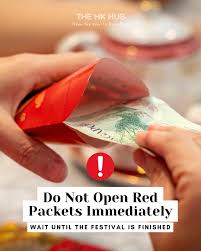
    It’s considered rude to open a red packet in front of the giver. This is especially true for ang pow or lai see.

    Smart Money Moves

    New Bills: Always use crisp, new banknotes.

    Lucky Numbers: Embrace 8. Avoid 4.

    Even Amounts: Generally preferred over odd numbers.

    Consider Your Relationship: Adjust the amount based on closeness.

    When to Worry (and When Not To)

    Most of the time, red packet traditions are about joy and good wishes. But sometimes, people get anxious.

    Common Anxieties

    One common worry is giving the “wrong” amount. People might compare what they give or receive. This can lead to stress.

    Another is forgetting to give a red packet to someone. Or giving it to the wrong person. This can sometimes cause offense, though usually unintentional.

    Some worry about the meaning behind the packet. Is it a genuine gift or just a social obligation?

    Understanding the Intent

    It’s important to remember the core spirit. Red packets are about sharing good fortune. The monetary value is secondary to the gesture of goodwill.

    In many cultures, the tradition is more about maintaining social connections. It’s about expressing love, respect, and well wishes.

    If you are unsure about amounts or etiquette, it’s always okay to ask someone you trust. Or a quick online search can often provide local norms.

    For most people, the joy of the tradition far outweighs any potential stress. It’s a beautiful way to celebrate life’s happy moments.

    Quick Tips for Red Packet Givers

    Here are some easy tips for anyone giving red packets:

    • Start Early: Get your red packets and new bills ahead of time.
    • Know Your Audience: Tailor the amount and design to the recipient.
    • Be Generous (if you can): A little extra can go a long way in showing warmth.
    • Focus on the Gesture: The thought counts more than the exact amount.
    • Practice Respect: Give with two hands and smile.
    • Learn Local Customs: If you’re in a new region, observe or ask about local norms.

    Frequently Asked Questions About Red Packets

    What is the primary purpose of a red packet?

    The primary purpose of a red packet is to convey good wishes, luck, and prosperity. It’s a symbolic gift, especially during holidays and celebrations, often containing money.

    Are red packets only used in China?

    No, red packets are used in many East and Southeast Asian cultures, including Vietnam, Korea, Japan, Singapore, and Malaysia. They are also found in diaspora communities worldwide.

    What is the significance of the color red in red packets?

    The color red symbolizes luck, happiness, joy, and prosperity. It is also believed to ward off evil spirits and negative energy.

    Who typically gives and receives red packets during Lunar New Year?

    Traditionally, married couples and elders give red packets to children and unmarried younger relatives. In some regions, employers also give them to employees.

    Is there a specific amount of money I should put in a red packet?

    While there are lucky numbers (like 8) and unlucky numbers (like 4), the amount varies greatly by region, relationship, and occasion. It’s more about the gesture than a fixed sum. Using new bills is common.

    Can I reuse a red packet if it’s empty?

    It’s generally not recommended to reuse an empty red packet for a monetary gift. New packets are used for new occasions to signify fresh luck and blessings.

    What does “lai see” mean, and how is it different from “hongbao”?

    “Lai see” (利是) is a Cantonese term, common in Hong Kong and southern China, meaning “lucky money.” “Hongbao” (红包) is the Mandarin term used more broadly across China. Both refer to red envelopes with money, but “lai see” might be given more casually outside of major holidays.

    Conclusion

    Red packets are a beautiful thread weaving through many cultures. From the bustling streets of Beijing to the vibrant markets of Singapore, their form changes but their heart stays the same. They are vessels of good wishes, tokens of affection, and symbols of shared joy.

    Understanding the regional nuances makes this tradition even richer. It shows how people adapt customs to their own lives. So next time you see or give a red packet, remember its long journey.

    It carries more than just money; it carries hopes for a brighter future.

  • Red Packet Geo Restriction Fix

    Red Packet Geo Restriction Fix

    A red packet geo restriction means an app or service is blocking access based on your current location. This often happens with financial apps, games, or content platforms. It’s a way to follow local laws or offer region-specific deals. Simple checks and adjustments can often resolve this issue.

    Understanding Red Packet Geo Restrictions

    So, what exactly is a geo restriction when it comes to something like a red packet? Think of it like a digital fence. Services, especially those involving money or specific content, often have rules about where they can operate.

    These rules are usually based on local laws, which differ a lot from place to place. For instance, some countries have strict rules about online money transfers or certain types of games. The app you are using has to follow these rules.

    When you try to use the app from a country it’s not set up for, it blocks you. This is the geo restriction kicking in.

    It’s not personal. The app isn’t trying to stop you specifically. It’s just following its programming and legal requirements.

    The goal is to keep the service compliant with rules in different countries. Sometimes, these restrictions are tied to the phone’s location settings or the network you’re using. Other times, it’s about the payment methods or the type of account you have.

    Knowing this helps to see it’s a system thing, not a you thing.

    The core idea behind these restrictions is to manage risk and comply with regulations. For apps that send money, like those used for sending red packets, this is super important. They have to make sure they aren’t breaking any financial laws in the country where the money is being sent or received.

    This could include anti-money laundering rules or regulations about how digital currencies are handled. By checking your location, they can try to ensure everything is above board.

    My Own Red Packet Restriction Scare

    I remember one time, a friend was visiting from overseas and wanted to send me a small gift via a popular payment app. It was his birthday back home, and he wanted to share a bit of the celebration. We were in my living room, and he opened the app, ready to send the digital red packet.

    Right as he pressed ‘send,’ a message popped up. It said something like, “This service is not available in your current region.” He was so confused. He’s in my house, using my Wi-Fi, but the app thought he was somewhere else, or perhaps it just couldn’t confirm he was in an approved zone.

    He tried switching to his mobile data, thinking maybe my Wi-Fi was the issue. Still no luck. He even restarted his phone.

    The frustration was clear on his face. It took us almost an hour of fiddling with settings and checking online forums to figure it out. It turned out the app had a specific list of countries it allowed transactions in, and his home country’s IP address range was blocked when he tried to send it from my country.

    It felt like a silly digital wall. We eventually found a workaround, but it was a stressful hour that took away from the fun of receiving a gift.

    That experience taught me how deeply these digital borders can affect simple interactions. What should have been a quick, joyful exchange turned into a tech puzzle. It made me realize how often we take seamless digital communication for granted until it’s suddenly not so seamless anymore.

    The feeling was a mix of annoyance and a bit of helplessness. We just wanted to connect and celebrate, but the system got in the way.

    Common Places Geo Restrictions Appear

    Gaming Apps: Some games restrict access to certain servers or features based on your location. This can affect matchmaking or in-game purchases.

    Streaming Services: Like Netflix or Hulu, they often have different libraries of shows and movies depending on the country you’re in.

    Financial Apps: Apps for sending money, payments, or cryptocurrency often have the strictest geo-restrictions due to legal compliance.

    Social Media Features: Sometimes, certain features or communication tools might be limited in specific regions.

    Why Does This Happen? Let’s Break It Down

    Geo restrictions aren’t arbitrary. There are several key reasons why an app might stop you based on your location. Understanding these reasons can help you troubleshoot more effectively.

    It’s all about compliance, business strategy, and sometimes, security.

    Legal and Regulatory Compliance

    This is the biggest driver. Every country has its own set of laws. These laws cover everything from data privacy to financial transactions and content licensing.

    For example, a service that allows sending money might need specific licenses to operate in one country but not another. If the app doesn’t have the right paperwork in your current location, it’s safer for them to block access rather than risk hefty fines or legal trouble. This is especially true for apps dealing with red packet transfers, which can be seen as financial transactions.

    Consider content licensing too. A movie studio might only sell streaming rights for a particular show to a service in the U.S. That service then can’t legally show it to someone in Europe.

    The app’s system checks where you are and stops you from accessing content that isn’t licensed for that region. It’s a complex web of international agreements.

    Business and Marketing Strategies

    Companies also use geo-restrictions for business reasons. They might offer different prices or promotions in different markets. For example, a subscription service might be cheaper in one country than another.

    They restrict access to ensure their pricing strategies work as intended. Or, a company might be rolling out a new feature in a few test markets first. They’ll block users in other regions until the wider launch.

    This is also common with games. Developers might release a new game in one country first to gauge player reaction and fix any bugs. They’ll then slowly roll it out to other regions.

    If you try to access it early from a restricted country, you’ll be blocked. It’s a way to manage a product launch and marketing carefully.

    Content Licensing and Distribution Rights

    This ties closely with legal compliance. Content creators, like movie studios or music labels, often sell rights to their work on a country-by-country basis. A streaming service might have the rights to show a movie in the United States, but not in Canada or the UK.

    When you try to watch that movie from Canada, the service detects your location and prevents playback. It’s because they simply don’t have the legal right to show it to you there. This is a huge part of why streaming libraries differ so much.

    Network and Infrastructure Limitations

    Less common, but still a factor, is network infrastructure. Some services might have limited server capacity or performance issues in certain regions. To ensure a good experience for users in supported areas, they might temporarily restrict access from problematic regions.

    This is often a temporary measure while they improve their infrastructure elsewhere.

    Security and Fraud Prevention

    For financial apps, security is paramount. Geo-restrictions can be a layer of defense against fraud. If a transaction suddenly originates from a country that’s unusual for the user, the system might flag it as suspicious.

    By restricting access from certain high-risk regions, or requiring verification if a user is in an unexpected location, they try to prevent unauthorized access and financial crime. This is a critical aspect for services involving red packet transactions.

    How Apps Detect Your Location

    IP Address: This is the most common method. Your IP address is like your internet’s street address, and it can be traced back to a general geographic area.

    GPS Data: Mobile apps often have permission to access your device’s GPS. This gives a very precise location.

    Wi-Fi Network Information: The app can sometimes gather data about the Wi-Fi networks you connect to, which also helps pinpoint your location.

    Account Information: The country you registered your account with or provided payment details from can also be a factor.

    Real-World Scenarios: When You Might See This

    Let’s look at some specific situations where you might bump into a red packet geo restriction or similar location-based blocks. These examples are common and relatable.

    Scenario 1: Traveling Abroad

    Imagine you’re on vacation in Europe, but your favorite mobile game is based in Asia. Many games have regional servers. If you try to log in from Europe, the game might detect your location and prevent you from accessing your usual server or even playing at all.

    You might get a message saying, “You are connecting from a restricted country.” It’s frustrating because you just want to play a few rounds during downtime.

    This also happens with banking apps. If you’re used to managing your money with a U.S. bank app, and you travel to Mexico, the app might flag your login from a foreign IP address.

    For security, it might temporarily lock your account or require extra verification. While this is for safety, it can be inconvenient if you need to access funds quickly.

    Scenario 2: Using a New Service

    You sign up for a new app that offers a cool feature, perhaps related to digital gifts or community events. You download it, create your profile, and then try to use the key feature. That’s when you see the dreaded “geo restriction” notice.

    The service might be in a beta phase, only available in certain countries initially. Or, the feature you’re trying to use is specifically designed for users in a particular region due to local partnerships or regulations.

    For instance, some local e-commerce platforms might offer special discounts or delivery options only within their home country. If you’re trying to access these deals from abroad, you’ll likely be blocked. It’s a way for businesses to tailor their offerings to specific markets.

    Scenario 3: Shared Accounts or VPN Usage

    Sometimes, geo restrictions can cause confusion even when you think you’re in the right place. If you’re using a shared account for a service, and another user logs in from a different country, it might trigger a location flag. The service might then restrict access for all users on that account temporarily.

    Similarly, if you use a Virtual Private Network (VPN) to enhance your privacy, you might accidentally connect to a server in a country where the service is blocked. The app then sees you connecting from that restricted country, even if you’re physically somewhere else. This can lead to unexpected geo-restriction messages.

    Quick Scan Table: Common Geo-Restricted Scenarios

    Situation Why It Happens What You Might See
    Traveling Abroad Legal compliance, business strategy, security “Content not available in your region,” “Account locked for security”
    Using New Apps Beta testing, regional features, licensing “Feature unavailable in your location,” “Service not offered here”
    Shared Accounts IP address conflicts, security flags Temporary access block, “Multiple logins detected”

    What This Means for You: Normal vs. Concerning

    It’s important to know when a geo restriction is just a standard part of how a service works and when it might signal a bigger problem. Most of the time, these restrictions are normal and expected.

    When It’s Probably Normal

    If you’re trying to access content that’s specifically advertised as region-locked (like a streaming service with different libraries per country), a geo restriction is expected. Similarly, if you’re trying to use a financial service like sending a red packet and you’re in a country where that specific app isn’t licensed to operate, a block is normal. Apps that deal with real money or highly regulated activities will always have stricter location checks.

    Also, if you’re traveling, and your bank app blocks your login because it sees you in a foreign country, that’s usually a security measure designed to protect you. It’s meant to stop someone else from using your account if your phone is lost or stolen.

    When to Potentially Worry

    You might want to look into it further if you’re getting geo restriction messages in your home country, for a service that is supposed to be available there. If you haven’t traveled recently, aren’t using a VPN, and still can’t access an app or feature, there could be an issue. Sometimes, your IP address might be incorrectly associated with a different country.

    This can happen with certain internet service providers or if you’re using a public Wi-Fi network that shares IP addresses.

    Another sign to investigate is if you’re suddenly blocked from a service you’ve used without problems for a long time, and nothing has changed in your location or usage patterns. It’s worth contacting the service provider’s support in such cases to understand why the restriction is suddenly active.

    Simple Checks You Can Do

    Before you panic, try these quick checks. First, ensure your device’s location services are turned on and that the app has permission to access them if it’s a mobile app. Sometimes, just allowing location access can clear things up.

    Second, if you’re using Wi-Fi, try switching to your mobile data, or vice-versa. Your IP address can change, and sometimes this bypasses a temporary glitch.

    Third, check if you have any VPNs or proxy services running. If you do, try disabling them and see if that resolves the issue. If the problem persists, it might be time to reach out to the app’s customer support.

    They can often tell you if there’s a known issue or if your account is flagged for a specific reason.

    Simple Checks Checklist

    • Location Services: Make sure they are enabled for the app.
    • Network Switch: Try Wi-Fi vs. Mobile Data.
    • VPN/Proxy: Turn them off to test.
    • App Restart: Close and reopen the app.
    • Device Restart: A simple reboot can fix many things.

    Quick Fixes and Tips for Red Packet Geo Restrictions

    While you can’t always bypass a legitimate geo restriction (especially if it’s due to strict laws), there are several things you can try to get around temporary blocks or less enforced ones. Remember, the goal is to make the service think you are in an allowed location.

    1. Check and Update Your Device Location Settings

    This is the most basic step. Make sure your phone or computer’s location services are turned on. For apps that heavily rely on location, ensure they have permission to access your device’s GPS data.

    Sometimes, an app might just need you to confirm your location is correct.

    2. Switch Networks (Wi-Fi vs. Mobile Data)

    Your IP address is often tied to the network you’re using. Your home Wi-Fi has a static or semi-static IP address that identifies your general area. Your mobile data, however, uses a different IP pool.

    Switching between the two can sometimes give you a new IP address that isn’t flagged as being in a restricted region.

    3. Restart the App and Your Device

    It sounds simple, but a full restart can often clear temporary glitches. Close the app completely, then reopen it. If that doesn’t work, try restarting your phone or computer.

    This refreshes network connections and can resolve temporary errors that might be causing the restriction.

    4. Use a Virtual Private Network (VPN)

    A VPN is a tool that masks your real IP address and routes your internet traffic through a server in another country. You can choose a server in a country where the service is fully available. This makes it appear as though you are browsing from that location.

    For services like sending a red packet, this can be very effective. However, be aware that some apps actively block VPNs, so it might not always work.

    When choosing a VPN, look for one with servers in the country you need. Make sure it’s a reputable service. Free VPNs can sometimes be slow or insecure, and they might not be as effective at bypassing restrictions.

    5. Clear App Cache and Data

    Sometimes, an app stores old location data or configuration files that might be causing the issue. Clearing the app’s cache (and sometimes data, though this will log you out) can force the app to refresh its settings and fetch new location information. On Android, you can find this in the app settings.

    On iOS, you might need to uninstall and reinstall the app.

    6. Check Account Registration Details

    Some services tie restrictions to the country you originally registered your account in, or the country associated with your payment methods. If you’ve moved, you might need to update your account information with your new address and payment details. This can sometimes be tricky, especially with financial services, as they often require verification.

    7. Contact Customer Support

    If none of the above work, the best course of action is often to contact the customer support for the app or service. Explain your situation clearly. They can check if there’s a known issue, if your account has been flagged, or if there’s a specific reason for the restriction.

    They might be able to manually lift the restriction or provide a workaround.

    VPN Usage Considerations

    Choose a Reputable VPN: Opt for paid services for better speed, security, and reliability.

    Server Location: Select a server in a country where the app is known to be fully functional.

    App Blocking: Be aware that some services actively detect and block VPN traffic.

    Terms of Service: Using a VPN might violate the terms of service for some applications. Use with caution.

    Frequently Asked Questions

    Can I always bypass a red packet geo restriction?

    Not always. If the restriction is due to strict legal regulations in a country, bypassing it might be difficult or even illegal. Services that handle money or sensitive data often have robust systems to prevent circumvention.

    Will using a VPN get my account banned?

    It depends on the service. Some services explicitly state that using a VPN is against their terms of service and can lead to account suspension. Others are more lenient, especially if the VPN is used for privacy rather than trying to access region-locked content unfairly.

    Always check the service’s terms.

    Why would a game restrict players by location?

    Games might restrict players by location for various reasons. This includes server load balancing, ensuring fair play (preventing players from different latency zones from competing), content licensing for regional releases, or compliance with local gaming laws.

    What if my bank blocks my transactions when I’m traveling?

    This is usually a security feature. Banks detect logins or transactions from unusual locations and temporarily block them to prevent fraud. You can usually resolve this by calling your bank’s customer service to confirm you are indeed traveling and authorize the transactions.

    Is it safe to change my phone’s region settings to bypass restrictions?

    Changing your phone’s region settings can have significant consequences. It might affect app availability, app store content, and even your device’s compatibility with certain network bands. It’s often not recommended unless you fully understand the implications and are prepared for potential issues.

    How can I check if a service is available in my country?

    The best way is to check the service’s official website or app store listing. They often state the regions where the service is available. You can also look for customer reviews or support articles that mention regional availability.

    Final Thoughts

    Dealing with red packet geo restrictions can be a real headache. It’s easy to feel annoyed when a simple digital interaction is blocked. But now you understand the ‘why’ behind these digital fences.

    Most of the time, these restrictions are for legal, business, or security reasons. While some issues require deeper solutions like a VPN, many can be fixed with simple checks on your device and network. Keep these tips in mind, and you’ll be better prepared to navigate these digital borders.

    Don’t let a geo restriction stop you from connecting and sharing!

  • Red Packet Not Available In My Country

    Red Packet Not Available In My Country

    This guide will help you understand why the Red Packet app might be blocked in your country. We’ll also look at some common reasons and what you can do. Our goal is to make things clear and help you find answers.

    The Red Packet app is not available in your country due to geo-restrictions, which are often based on legal regulations, licensing agreements, or business strategies. This means the app’s developers have chosen not to offer their service in certain geographical locations. While direct access might be blocked, understanding these restrictions is the first step.

    We’ll explore common reasons and potential ways to navigate these limitations.

    Why Red Packet Might Be Blocked in Your Country

    So, why can’t you get your hands on the Red Packet app? It boils down to something called geo-restrictions. Think of it like a digital fence.

    Developers put this fence up around certain countries. They do this for a few main reasons.

    One big reason is laws. Different countries have very different rules about money and apps that handle it. What’s okay in one place might be a big no-no somewhere else.

    Developers need to follow these laws. If they don’t, they could face big fines or even get shut down.

    Another reason is business deals. Sometimes, an app might have special deals with companies in certain areas. These deals might say the app can only be used there.

    Or, maybe they haven’t figured out how to work with local payment systems yet. It can be hard and expensive to set up shop everywhere.

    Finally, there’s market strategy. Developers might decide it’s just not worth it to launch in a particular country. Maybe there aren’t enough people there who would use the app.

    Or perhaps there are already too many similar apps around. It’s all about where they think they can do the best business.

    Understanding Geo-Restrictions

    Geo-restrictions are like digital borders for apps and websites. They control who can see and use online content. This is usually based on your IP address.

    Your IP address is a unique number that shows where your device is connected to the internet.

    When you try to open an app like Red Packet, it checks your IP address. If your IP address is from a country where the app isn’t allowed, it will block you. It’s like a bouncer at a club checking IDs.

    If you’re not on the list, you can’t come in.

    These restrictions aren’t unique to Red Packet. Many apps and online services use them. Think about streaming services like Netflix or Hulu.

    They offer different shows in different countries. This is all due to geo-restrictions. It’s a common practice for online businesses.

    The goal is usually to comply with local laws. It can also be about managing licenses for content or software. Sometimes, it’s simply because the developers haven’t built the service to work in that region yet.

    It takes time and money to adapt an app for a new market.

    Common Reasons for Geo-Blocking

    Legal Compliance: Apps must follow the laws of the countries they operate in. Some financial regulations or data privacy laws can be very strict.

    Licensing Agreements: Content or technology used within the app might only be licensed for use in specific regions.

    Business Strategy: Developers may choose not to launch in certain markets due to competition or lack of perceived demand.

    Payment Systems: The app might rely on payment processors that are not available or do not operate in your country.

    My Own Experience with Blocked Apps

    I remember a few years back, I was trying to use a specific online tool. It was fantastic for managing my social media accounts. I saw my friends using it, and they loved it.

    When I searched for it on my phone, it just wasn’t there.

    I tried searching online. I found articles about it, tutorials even. But when I clicked the download link, I got a message saying it wasn’t available in my region.

    I was so confused and a little annoyed. I spent a good hour trying different search terms, hoping I missed something obvious.

    It turned out the app had a very strict policy about who could use it. They were focused on a few key markets at the time. The creators explained that it was due to complex data privacy laws in some places.

    They wanted to make sure they did things right. That meant they couldn’t offer it everywhere. It was disappointing, but I understood their point about doing things properly.

    This made me realize how common these blocks are. It’s not just about apps; it’s about services, content, and even simple websites. Your location really does matter online.

    Learning to navigate these digital borders became a bit of a hobby for me.

    Navigating Geo-Restrictions: Potential Workarounds

    When an app isn’t available in your country, it feels like hitting a wall. But there are often ways around these digital borders. These methods aren’t always perfect, and they come with their own set of things to consider.

    It’s important to know what you’re getting into.

    The most common method people try is using a Virtual Private Network (VPN). A VPN hides your real IP address. It makes it look like you are browsing from a different country.

    You connect to a VPN server in a country where the app is allowed. Then, you try to download or use the app.

    Another option is to use a proxy server. Proxies work similarly to VPNs. They act as an intermediary between you and the internet.

    This can mask your location. However, proxies are often slower than VPNs and might not be as secure.

    Some people also try changing their device’s region settings. This can sometimes trick an app store into thinking you are in a different country. But this usually only works for app stores and not for the apps themselves once downloaded.

    It’s a bit of a hit-or-miss method.

    It’s really important to remember that using these methods might go against the app’s terms of service. If the Red Packet app finds out you’re using a VPN to access it, they might ban your account. Always check the rules before you try something like this.

    How VPNs Can Help

    Masks IP Address: A VPN makes your internet traffic appear to come from a server in another country.

    Access Blocked Content: By connecting to a server in an allowed region, you can often access apps or websites that are geo-restricted.

    Enhances Privacy: VPNs encrypt your internet connection, adding a layer of security and privacy to your online activity.

    Choosing a VPN: Look for reputable VPN providers with servers in countries where the Red Packet app is available. Check reviews for speed and reliability.

    Limitations and Risks of Workarounds

    While using a VPN or other methods can be tempting, it’s crucial to understand the downsides. Nothing is a magic bullet, and these workarounds have their own set of issues.

    First, security and privacy can be a concern. Not all VPNs are created equal. Some free VPNs might log your data or even sell it.

    This defeats the purpose of trying to be more private. It’s vital to choose a trusted, paid VPN service if you go this route.

    Second, performance can suffer. Routing your internet traffic through another country can slow down your connection. This means the app might be laggy or take a long time to load.

    For an app that deals with payments, this can be a big problem.

    Third, and perhaps most importantly, is the risk of violating terms of service. Many apps specifically forbid using VPNs or proxies to bypass geo-restrictions. If Red Packet detects this, they could suspend or permanently ban your account.

    This means you could lose access to your funds or any history within the app.

    Finally, even if you manage to get the app working, you might still face issues. Local payment methods might not work. Or, customer support might not be available for your region.

    It’s not always a smooth experience once you bypass the initial block.

    Potential Downsides to Consider

    Account Suspension: Using VPNs may violate Red Packet’s terms of service, risking your account.

    Reduced Speed: Rerouting your connection can lead to slower app performance.

    Payment Issues: Local payment options might still be unavailable, even if the app is accessible.

    Limited Support: Customer service might not be available for users in unsupported regions.

    Alternative Apps and Services

    If Red Packet isn’t an option, don’t despair. The world of finance apps is vast. There are likely other services that can meet your needs.

    It’s worth exploring what else is out there.

    Consider looking for apps that are specifically designed for your region. Many countries have local payment apps or digital wallets. These are built to work with local banks and regulations.

    They often have better integration and customer support for users in that area.

    You might also find international money transfer services that operate in your country. These can be useful for sending money to friends or family abroad. Companies like Wise (formerly TransferWise) or Remitly are popular options.

    They often have good rates and clear fees.

    When looking for alternatives, think about what you need the Red Packet app for. Is it for sending money? Receiving money?

    Making purchases? Finding an app that does what you need, within your country’s rules, is usually the safest bet.

    Always do your homework. Read reviews, compare fees, and check their security measures. A little research can save you a lot of trouble later.

    It’s about finding a reliable service that works for you and your location.

    Finding Similar Apps

    Research Local Apps: Look for popular payment or finance apps in your country.

    Check International Services: Explore money transfer services that are confirmed to operate in your region.

    Define Your Needs: List the specific functions you need from an app to find the best match.

    Read Reviews: See what other users in your country say about alternative apps.

    Regulatory Landscape and Compliance

    The rules around financial apps are complex and constantly changing. For companies like Red Packet, staying compliant is a huge task. They have to deal with different financial authorities in every country.

    For example, the United States has the Financial Crimes Enforcement Network (FinCEN). They set rules for money services businesses. Europe has regulations like GDPR for data privacy.

    Each country has its own set of requirements for handling money and personal information.

    Red Packet, or any similar app, must get licenses to operate in different places. This process can be long and expensive. They also need to implement strong security measures to prevent fraud and money laundering.

    This is often why apps are not available everywhere.

    The app developers have to decide if the potential market in a country is worth the cost and effort of compliance. If the number of users is small, or the regulatory hurdles are too high, they might decide it’s not worth it. This is a business decision based on risk and reward.

    So, when an app isn’t available, it’s often a sign that the company is trying to be responsible. They are either not ready to meet the local rules or have decided it’s too risky. This is a good thing for users in the long run, as it protects them.

    When Is It Normal for an App Not to Be Available?

    It’s actually quite common for apps, especially those dealing with finance or specific services, to not be available everywhere. Think about banking apps. Your local bank’s app won’t work if you’re in another country, and vice versa.

    If Red Packet is a new app, or one that deals with digital currency or specific types of peer-to-peer transactions, it’s very likely to have geographical limitations. Developing and launching such a service globally is a massive undertaking. It requires understanding many different legal frameworks.

    If you’re in a country with strict financial regulations or sanctions, it’s almost certain that many international finance apps will not be available. This is for your own protection, to ensure you are not using services that could put you at risk or break local laws.

    So, if Red Packet is not listed in your country’s app store or on their official website, consider it normal. It doesn’t necessarily mean there’s something wrong with your device or your internet connection. It’s usually a planned restriction by the app developer.

    Red Flags That Suggest Normal Restrictions

    App Store Listing: If the app doesn’t appear in your official app store, it’s likely blocked.

    Developer Website: The official website might list supported countries. If yours isn’t there, it’s a clear sign.

    Payment System Differences: If your country uses vastly different payment systems, integration might be the issue.

    Recent Launch: Newer apps often roll out to limited regions first to test and refine their service.

    When Should You Worry?

    While geographical restrictions are normal, there are times when you should be concerned. If an app should be available in your country but isn’t, that’s a red flag. This could mean a technical issue or something more suspicious.

    For instance, if you’re in a major market where similar apps are thriving, and Red Packet is inexplicably missing, it might be worth investigating further. Perhaps there was a recent legal change that affected the app, or the company withdrew its services without much notice.

    Another worry is if you find unofficial download links for the app. These could lead to malware or fake versions designed to steal your information. Always stick to official app stores or the developer’s website for downloads.

    If you’re trying to use a workaround like a VPN and notice strange behavior, like your device acting erratically or unexpected charges, stop immediately. This could indicate a security breach or a poorly designed workaround.

    The best approach is to trust official sources. If the app developer states it’s not available in your country, accept it. If they say it is available, but you can’t find it, then start looking into potential technical glitches on your end or official announcements from the developer.

    Signs You Might Need to Worry

    App Should Be Available: If similar apps function normally but Red Packet is missing without explanation.

    Unofficial Downloads: Be wary of links that aren’t from the official app store or developer.

    Suspicious Device Behavior: Unusual performance issues or error messages after trying workarounds.

    No Official Communication: If the developer is silent about availability in your region when it should be present.

    Quick Checks You Can Do

    Before you try any complex workarounds, it’s good to do a few simple checks. These can often save you time and frustration.

    First, double-check your app store region settings. Sometimes, your account might be accidentally set to a different country. Go into your app store settings and make sure your region matches where you live.

    Second, search for the app using different keywords. Try the full name, or maybe variations if you suspect a typo in your search. Sometimes, the exact wording matters.

    Third, visit the official Red Packet website. They will usually have a section on supported countries or a clear statement if the app is not available in your region. This is the most reliable source of information.

    Fourth, check if there are any known country-specific issues. Some online forums or communities might discuss problems users in your country are facing with certain apps. A quick search might reveal if others are having the same trouble and why.

    Doing these basic checks first can confirm if the issue is a widespread restriction or something specific to your account or device setup.

    Simple Steps to Verify Availability

    App Store Region: Ensure your account’s region is set correctly.

    Keyword Search: Try different search terms for the app in your store.

    Official Website: Look for availability information directly from the developer.

    Community Forums: See if other users in your country are discussing the app’s status.

    Frequently Asked Questions about Red Packet Availability

    Is Red Packet banned in my country?

    It’s not usually a “ban” in the sense of a government prohibition. Instead, Red Packet likely has geo-restrictions. This means the developers have chosen not to make it available in your country, often due to legal, business, or operational reasons.

    Can I use a VPN to access Red Packet if it’s not available?

    You might be able to technically access it using a VPN, but this often violates the app’s terms of service. Using a VPN could lead to your account being suspended or banned. It’s important to weigh the risks before trying.

    Why do apps like Red Packet have geo-restrictions?

    Geo-restrictions are put in place for several reasons: to comply with local laws and financial regulations, to manage licensing agreements, or as part of the company’s business strategy. It’s often about managing risk and operational complexity.

    What happens if I try to use Red Packet with a VPN?

    If Red Packet can detect that you are using a VPN to bypass geo-restrictions, they may block your access or ban your account. This is to enforce their terms of service and maintain compliance with regional regulations.

    Are there safe alternatives to Red Packet if it’s not in my country?

    Yes, there are often many alternatives. You should look for local payment apps, digital wallets, or international money transfer services that are officially available and regulated in your country. Researching reputable options is key.

    How can I check if Red Packet is truly unavailable or just hard to find?

    The best way is to check the official Red Packet website for a list of supported countries. Also, verify your app store’s region settings. If the website confirms unavailability and your app store region is correct, then it is likely unavailable.

    Final Thoughts

    It’s a bummer when an app you want to use isn’t available in your country. Geo-restrictions are a common part of our digital world. They exist for many reasons, from laws to business plans.

    While workarounds like VPNs exist, they come with risks. Always prioritize your security and the app’s terms of service. Exploring local alternatives is often the safest and most reliable path.

    Understanding why an app isn’t available can save you trouble.

  • Red Packet Europe Access

    Red Packet Europe Access

    Red packets, often referred to as digital hongbao or lai see, are a modern take on a traditional gift of money. They are typically sent electronically via mobile apps, especially during holidays and celebrations. Their use in Europe depends on the specific app and the user’s location, as they are not a universal European payment system but rather a feature within certain digital wallets.

    Understanding Digital Red Packets

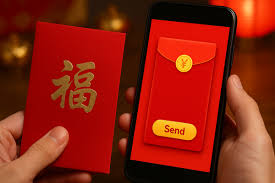
    So, what exactly is a digital red packet? Think of it as a virtual gift card or a special way to send money. Instead of handing someone cash in a physical red envelope, you use a smartphone app.

    These apps let you put a certain amount of money into a digital “packet.” You can then send this packet to friends, family, or even a group of people.

    The red color is important. Red is a lucky color in many Asian cultures. It stands for good fortune, happiness, and prosperity.

    Giving money in a red envelope, whether physical or digital, is a way to wish the recipient good luck. It’s not just about the money; it’s about the good vibes and the celebration.

    These digital packets are very popular in China, especially during Chinese New Year. People send them to each other using apps like WeChat and Alipay. It’s a fun and quick way to share some joy during festive times.

    You might also see them used for birthdays, weddings, or just as a way to say “thank you.”

    The mechanics are usually pretty simple. You open your app, find the red packet feature, choose an amount (or let it be random!), select your recipient(s), and send. The recipient gets a notification and can open the packet to see how much money they received.

    It makes sending money feel like a game or a small surprise.

    How Red Packets Work in Digital Apps

    The technology behind these digital red packets is quite clever. It’s all tied into mobile payment apps. These apps are like digital wallets.

    You can link them to your bank account or add money directly to your account within the app. Once you have funds in your digital wallet, you can use them for various transactions.

    When you send a red packet, the money is essentially transferred from your digital wallet to the recipient’s digital wallet. The app manages this transfer. It’s usually very fast, often happening instantly.

    This is why it feels so smooth and easy to use.

    One common feature is the “grab” function. When someone sends a red packet to a group, everyone in the group can try to “grab” it. Sometimes, everyone gets an equal share of the total amount.

    Other times, the app randomly divides the money. This makes it exciting, as no one knows how much they’ll get until they open it.

    Security is also a big part of these apps. They use passwords, fingerprints, or facial recognition to make sure only you can send money from your account. This helps protect your funds and prevent unauthorized use.

    You are usually given a transaction history so you can see where your money went.

    The core idea is to make sending money more engaging. It turns a simple financial transaction into a social and interactive experience. This is a big reason why they became so popular, especially among younger generations who are very comfortable with mobile technology and social media.

    Red Packet Access in Europe: What You Need to Know

    Now, let’s talk about Europe. Can you send or receive these digital red packets there? The answer isn’t a simple yes or no.

    It really depends on the app you are using and where your contacts are located.

    Most popular red packet apps, like WeChat and Alipay, were developed primarily for the Asian market. They are widely used by people living in or traveling to Asia, and by people with strong connections to those regions. So, if you have friends or family in China, or if you are using these apps to communicate with people there, you can likely use red packets regardless of where you physically are in the world.

    For example, if you are in London and your parents are in Beijing, and you both use WeChat, you can send them a red packet. The money would transfer through the app’s system, and they would receive it in their Chinese Alipay or WeChat Pay account. The same applies if they send one to you, provided you have the app set up with your payment details.

    However, red packets are not a standard payment method across Europe like credit cards or bank transfers. European banks and financial institutions do not directly support the “red packet” format. This means you won’t find a “send red packet” button in your standard European banking app or a common payment service like PayPal (though PayPal has its own ways of sending money).

    You can use PayPal to send money to Europe, but it won’t be in a red envelope.

    Some European countries might have their own versions of digital gifting or peer-to-peer payment apps. But these usually don’t adopt the red envelope theme or the specific mechanics of Asian red packets. They might offer simple money transfers between users of the app.

    The key takeaway is that red packet access in Europe is usually mediated by the app’s global reach and the user’s existing account setup, rather than by local European infrastructure. If the app works internationally and both sender and receiver have compatible accounts, it’s often possible.

    Popular Apps and Their European Functionality

    Let’s look at some of the main apps that offer red packet features and how they function regarding Europe.

    WeChat: This is a super app from China, used for messaging, social media, and payments. If you and the person you want to send a red packet to both have WeChat accounts, and your accounts are linked to a valid payment method (like a Chinese bank card or, for international users, sometimes a linked international card depending on app updates and region), you can send red packets. This works even if one person is in Europe and the other is elsewhere.

    The crucial part is having a WeChat account and a linked payment service like WeChat Pay.

    Alipay: Similar to WeChat, Alipay is a dominant payment platform in China, also offering a red packet feature. If you have an Alipay account and the recipient has one too, you can send red packets. Alipay has also been working to expand its international services.

    This means that sometimes, international users (including those in Europe) can set up an Alipay account and link it to an international credit or debit card to send and receive money, including red packets. However, the ease of this can vary, and it’s often more seamless for users within China.

    Other Apps: While WeChat and Alipay are the most well-known for red packets, other regional apps might offer similar features. For instance, some Southeast Asian countries have their own popular digital wallets that might incorporate gifting features. However, these are less likely to be directly compatible with a European financial system without specific partnerships or integrations.

    What about apps common in Europe? Services like Revolut, N26, or even PayPal allow you to send money to friends. You can send funds quickly and sometimes even add a personal message.

    But they don’t typically have a “red packet” feature. The user experience is different. It’s more of a straightforward money transfer than a digitally wrapped gift.

    The ability to use red packets in Europe, therefore, hinges on using apps that have a global presence and allow for international money transfers between users of the same platform. It’s not about Europe having its own “red packet” system.

    Red Packet Usage: Myth vs. Reality in Europe

    Myth: European banks offer red packets.

    Reality: No, European banks do not have a built-in red packet feature. This is an app-based digital gift system originating from Asian cultures.

    Reality: You can send red packets to Europe if you use the right app.

    Fact: If you and the recipient both use an app like WeChat or Alipay, and your accounts are set up for international use, you can send red packets even if one person is in Europe.

    Myth: Everyone in Europe uses red packets.

    Reality: Red packets are not a common payment method or tradition in most European countries. Their usage is tied to specific cultural practices and the apps that support them.

    Fact: Red packets are about digital gifting, not local currency.

    Truth: The money sent is usually in a currency supported by the app (often CNY or USD equivalent), which is then received and can be converted or used within the recipient’s app account.

    Sending Red Packets from Europe

    If you are in Europe and want to send a red packet to someone, say, in Asia or another part of the world where the app is popular, here’s what you’d typically do:

    First, ensure you have the correct app installed. Let’s use WeChat as an example. You would need a WeChat account.

    If you don’t have one, you’d download the app and go through the signup process. You might need a phone number to register.

    Next, you need to link a payment method. This can be the tricky part for users based in Europe. Historically, WeChat Pay and Alipay were primarily linked to Chinese bank accounts.

    However, both have been working to allow international users to link their credit or debit cards (like Visa or Mastercard). Check the app’s settings or their official website for the most current information on linking international cards.

    Once your payment method is successfully linked, you can find the red packet feature within the app. This is often found in the chat interface when you’re talking to someone, or sometimes in a separate “Money” or “Wallet” section. You’ll choose to create a red packet, decide on the amount of money you want to send, and specify who it’s for.

    You can usually send a red packet to an individual or to a group chat. If you send it to a group, everyone in that chat can try to grab a share. You might add a personal message to make it more special.

    After you confirm the transaction, the money is deducted from your linked account, and the recipient(s) receive a notification.

    It’s worth noting that exchange rates might apply if you are sending money from a European currency into the app’s primary currency. The app will usually show you the conversion rate before you confirm the transaction. Also, there might be fees associated with international transfers or linked card usage.

    So, while you can send them from Europe, the process relies on the app’s international capabilities and your ability to link a payment source that the app accepts.

    Receiving Red Packets in Europe

    What if someone sends you a red packet while you are in Europe? The process is generally straightforward, assuming you have the necessary app and account setup.

    If someone sends you a red packet via WeChat, you’ll get a notification within your WeChat chat. You tap on the notification, and the red packet opens on your screen. The amount you receive will be credited to your WeChat Pay balance.

    Depending on your settings and location, you might be able to transfer this balance to a linked bank account. If you have linked an international card to WeChat Pay, you might be able to withdraw funds to it, or use the balance for other WeChat services.

    Similarly, if you receive an Alipay red packet, you’ll be notified through the app. Tapping it will open the packet and add the funds to your Alipay balance. Alipay also offers options for international users to link cards and potentially withdraw funds, but again, this depends on their current policies and your account verification.

    For users based in Europe who receive money this way, a key question is often how to access the funds in their local currency or transfer them to their European bank account. This depends heavily on the app’s withdrawal features for international users. Some apps might allow you to withdraw directly to a European bank account if you’ve linked one.

    Others might require you to use the balance within the app’s ecosystem or transfer it to someone who can convert it for you.

    It’s also possible that if the sender is in Europe and uses a European-based payment app (not specifically a red packet app), they might send you money via a service like SEPA transfer or a specific peer-to-peer payment service popular in Europe. But this won’t be a “red packet” in the traditional sense.

    The most common scenario for receiving red packets in Europe is when the sender is in Asia or using an Asian-based app and sends it to your account on that same app. The money arrives in your digital wallet within that app. How you then get it into your regular bank account is the next step.

    Key Steps for Red Packet Users in Europe

    • Install the Right App: Make sure you and your contacts use the same app (e.g., WeChat, Alipay).
    • Set Up Your Account: Create an account and ensure it’s verified.
    • Link a Payment Method: Connect a bank card or account that the app accepts for sending and potentially receiving funds. Check app policies for international card support.
    • Understand Currency Conversion: Be aware of exchange rates and any fees when sending or receiving money across different currencies.
    • Check Withdrawal Options: If you receive funds, understand how you can withdraw them to your local European bank account, if possible.

    Cultural Nuances and Traditions

    It’s fascinating how digital tools can carry forward ancient traditions. The red packet is a perfect example. Its roots are deeply embedded in Chinese culture, and it has spread with the Chinese diaspora and the rise of globalized digital platforms.

    In Chinese culture, the act of giving a red packet is about more than just the monetary value. It’s a gesture of good wishes and blessings. It signifies luck, happiness, and prosperity.

    When you give a red packet, you are sharing a bit of that positive energy with the recipient. This is especially true during celebrations like Chinese New Year, weddings, and birthdays.

    The randomness of some red packet amounts adds a playful element. It mimics the surprise and delight of receiving an unexpected gift. This gamified approach makes it particularly appealing to younger generations who are adept at using mobile apps and enjoy interactive experiences.

    It turns what could be a mundane financial transaction into something fun and social.

    While the red envelope tradition is strong in China, similar customs exist in other Asian cultures. For instance, in Vietnam, lucky money is given in red envelopes during Tết (Lunar New Year). In Korea, children receive money in silk pouches, often red, from elders.

    In Hong Kong and Macau, it’s called “lai see,” and similar traditions apply.

    When these digital red packets are used by people in Europe, they often bridge cultural divides. A Chinese student in Paris might send red packets to their family back home. Or a European friend might receive one from a Chinese colleague.

    The digital nature makes it possible to maintain these traditions across vast distances.

    However, it’s important to remember that this is a tradition tied to specific cultural backgrounds. While people in Europe might adopt the use of these apps for convenience or to connect with friends, they aren’t inherently part of European financial customs. Someone unfamiliar with the tradition might simply see it as a way to send money, missing the deeper cultural significance.

    When Red Packets Might Not Work in Europe

    There are several reasons why using red packets might not be straightforward or even possible in certain situations within Europe.

    No Local Infrastructure: As mentioned, European banks and payment processors don’t natively support the red packet system. It’s a feature of specific apps, not a universal banking standard. You can’t walk into a German bank and ask to send a “red packet.”

    App Restrictions: Some apps might restrict certain features based on the user’s physical location or the verification status of their account. For instance, while an app might support international transactions, there could be limitations on sending or receiving amounts, or on withdrawing funds, depending on the country you are in.

    Sender/Receiver Compatibility: The biggest hurdle is usually that both the sender and the receiver must be on the same platform and have compatible accounts. If you want to send a red packet to someone in Europe, and they don’t use WeChat or Alipay, or they can’t set up their account properly to receive it, it won’t work.

    Payment Method Issues: If you are in Europe and trying to send a red packet, the app might not accept your specific European bank card or account for funding the transaction. Even if they allow international cards, there can be technical glitches or policy changes that prevent it.

    Regulatory Hurdles: Financial regulations differ by country. While apps strive for global reach, they must comply with local laws. This can sometimes lead to certain features being unavailable in specific regions or for certain users.

    Not a European Standard: Unlike services like SEPA transfers for Euros, there’s no equivalent European standard for “red packets.” They are an adoption of an Asian digital gift-giving method, rather than a local innovation. Many Europeans might simply not be aware of them or have a need to use them.

    So, while the digital world connects us, local financial systems and app policies still play a significant role in how easily these features function across borders.

    Red Packet Access: Quick Scan

    Feature European Context Red Packet Feasibility
    Local Banking System No native support for red packets. Not possible directly.
    Popular Apps (WeChat/Alipay) Used by some, especially those with ties to Asia. Possible if users have accounts and linked payment methods.
    International Transfers Common via SEPA, SWIFT, or apps like PayPal. Red packets are a separate feature, not a standard transfer.
    Cultural Tradition Not a native European tradition. Adoption is based on app usage, not local custom.

    Alternatives for Sending Money in Europe

    If red packets aren’t a viable option for your needs within Europe, or if you’re looking for simpler ways to send money, there are plenty of alternatives.

    Bank Transfers: The most traditional method. You can send money directly from your bank account to another person’s bank account. If you’re sending money within the Eurozone, you can use SEPA (Single Euro Payments Area) transfers, which are typically fast and low-cost.

    For transfers outside the Eurozone or to other continents, SWIFT transfers are used, though they can be slower and more expensive.

    Peer-to-Peer (P2P) Payment Apps: Many apps are designed for easy money transfers between individuals. Services like PayPal are widely used internationally. In Europe, you might also find services like Revolut, N26, or country-specific apps that allow you to send money instantly to friends using just their phone number or email address.

    These usually link to your bank account or debit card.

    Prepaid Cards: You can load money onto a prepaid card and give it to someone. This is like giving cash but in a more controlled way. Some digital services also offer virtual prepaid cards.

    Digital Wallets: While not offering the red packet feature, many European digital wallets allow you to store funds and send them to others. These often have competitive exchange rates for international transfers.

    The best alternative for you will depend on factors like the amount of money, the countries involved, the speed you need, and any fees you’re willing to pay. For sending money within Europe, SEPA transfers and P2P apps are generally the most efficient and cost-effective choices.

    When Red Packets Are a Great Option (Globally)

    Despite the complexities in Europe, red packets remain a fantastic option in many situations, especially when connecting across cultures or during specific events.

    Cultural Celebrations: For those celebrating Lunar New Year, birthdays, weddings, or other auspicious occasions with family and friends who use these apps, red packets are the perfect digital greeting. They carry tradition and good wishes.

    Quick Gifts: When you want to send a small, spontaneous gift of money to someone, a red packet is fast and fun. It feels more personal than a plain bank transfer. Think of thanking someone for help or sending a little something for a special occasion.

    Group Giving: Red packets are excellent for group gifts. A group of friends can contribute to a collective red packet for a birthday person, or a larger red packet can be sent to a group chat, with everyone taking a random share. This adds a social and exciting element to group gifting.

    Engaging Younger Users: Kids and young adults often find the gamified nature of red packets very appealing. It makes sending and receiving money feel like a fun interaction rather than a chore.

    Bridging Distances: For families and friends separated by long distances, red packets offer a simple, immediate way to share some financial support and good cheer. The speed and ease of the transfer mean you can celebrate milestones together, even when apart.

    So, while they might not be a default payment method in Europe, their value as a culturally significant and engaging digital gifting tool remains strong globally, particularly within communities that use apps like WeChat and Alipay.

    What This Means for You in Europe

    If you’re in Europe, understanding red packets primarily means understanding their context. They are a feature of specific digital payment apps, not a general European financial service.

    If you have friends or family who use WeChat or Alipay: You can likely send and receive red packets. The main challenge will be ensuring your account is set up correctly and linked to a payment method that works. This might involve linking an international credit or debit card.

    If you want to send money within Europe: Stick to more traditional methods like SEPA transfers, PayPal, or other P2P payment apps common in Europe. These are designed for the local financial landscape and are generally easier to use.

    If you receive a red packet in Europe: Check the app’s instructions for withdrawing funds. It might go into your digital wallet balance within the app, and you’ll need to see if it can be transferred to your European bank account. Be mindful of any fees or exchange rates.

    Don’t expect universal adoption: Most people you interact with in Europe won’t be familiar with red packets or use them. So, if you’re trying to pay for a coffee or split a bill with a new acquaintance, a red packet is unlikely to be the right tool.

    Essentially, for red packets in Europe, think of them as a special tool for specific connections, usually international ones, rather than a general-purpose payment method.

    Quick Fixes and Tips

    If you’re trying to use red packets and run into issues, here are a few quick tips.

    Double-Check App Updates: Payment apps update frequently. Make sure you have the latest version installed. Sometimes, new features or payment options are added, or bugs are fixed.

    Verify Payment Method: Ensure your linked credit or debit card is valid, not expired, and has sufficient funds. Also, check if your bank has any restrictions on international online transactions.

    Contact App Support: If you’re consistently having trouble sending or receiving, the best first step is to contact the customer support for the specific app you’re using (e.g., WeChat Support, Alipay Help Center). They can guide you through account-specific issues.

    Use Verified Accounts: For international transactions, having a fully verified account can sometimes resolve issues related to transaction limits or fund transfers.

    Confirm Recipient’s Setup: If you’re sending a red packet, ensure the recipient has a properly set-up account on the same platform and knows how to accept funds.

    Be Patient with Withdrawals: If you receive funds into an app wallet, the withdrawal process to a bank account might take a business day or two. This is normal for many financial transfers.

    These small steps can often help smooth out the process when using these digital tools across borders.

    Frequent Questions

    Can I send a red packet from France to Germany?

    Generally, no, not directly through a European banking system. Red packets are a feature of apps like WeChat and Alipay. If both you and the recipient in Germany have accounts on these apps, and your accounts are set up for international transfers, you could potentially send one.

    However, it’s not a standard way to send money between European countries.

    What is the difference between a red packet and a regular money transfer?

    A regular money transfer is a straightforward exchange of funds. A red packet is a digital gift, often with a festive design, sent through specific apps. It adds an element of surprise, cultural tradition, and sometimes gamification (like random amounts) that a standard bank transfer lacks.

    Do I need a Chinese bank account to use red packets?

    Not necessarily anymore. While historically it was common, apps like Alipay and WeChat have expanded to allow international users to link major credit and debit cards (like Visa or Mastercard) to their accounts. However, the ease and availability of this can vary by region and app updates.

    Are there fees for sending red packets internationally from Europe?

    There might be. Fees can come from your linked bank card issuer, from the payment app for international transactions, or due to currency conversion. It’s best to check the specific terms and conditions of the app you are using and your bank.

    Can I use red packets for everyday purchases in Europe?

    No, red packets are not designed for everyday purchases. They are a form of digital gifting or person-to-person money transfer within specific app ecosystems. You cannot use them to pay for goods or services at most European stores.

    What currency will I receive if someone sends me a red packet in Europe?

    You will typically receive the money in the currency of the app’s primary wallet or the currency the sender chose, often converted from their local currency. For example, if sent via Alipay, it might be in Chinese Yuan (CNY). You can then check the app’s options for converting it to Euros or withdrawing it.

    Conclusion

    Digital red packets offer a unique and fun way to send money, steeped in tradition. While they might not be a standard financial tool across Europe, they are certainly accessible if you use the right apps and have connections with people who also use them. Understanding how they work with apps like WeChat and Alipay, and being aware of the need for international account setups, is key.

    For everyday transactions within Europe, stick to familiar banking or P2P services, but don’t hesitate to use red packets to connect culturally with friends and family worldwide.

  • Red Packet India Availability

    Red Packet India Availability

    Finding a red packet can feel like a treasure hunt sometimes, right? Especially when a special occasion is just around the corner and you want to get things just right. You’ve heard about them, maybe seen pictures, and now you’re wondering, “Where on earth can I buy a red packet in India?” It’s a common question, and for good reason.

    These small, vibrant envelopes hold big meaning. This guide will help you find them easily.

    Red packets, often called ‘lai see’ or ‘ang pow,’ are symbolic envelopes typically filled with money and given as gifts during holidays and special events in many East and Southeast Asian cultures. In India, their availability is linked to specific communities and festivals, particularly those celebrating Lunar New Year or with significant Chinese heritage.

    Understanding the Red Packet in India

    Red packets are more than just fancy envelopes. They are deeply rooted in tradition and meaning. The color red itself is very important.

    It symbolizes good luck and happiness. It is also thought to ward off evil spirits. When you give or receive a red packet, it’s a way of sharing good wishes and blessings.

    This tradition is especially strong in cultures that celebrate Lunar New Year.

    In India, the presence of red packets is often tied to its diverse cultural tapestry. While not a traditional Indian custom like rangoli or diyas, red packets are embraced by communities that have migrated from or have strong ties to China and other East Asian countries. Think of the Chinese diaspora in Kolkata or Mumbai, or even broader cultural exchanges that have introduced this practice.

    The money inside is important, but the act of giving the red packet is even more so. It’s about the gesture, the connection, and the passing on of good fortune. The amount of money is often a thoughtful choice, but it’s the spirit behind it that truly matters.

    Many people also choose to put a new, crisp bill inside to add to the auspiciousness.

    A Personal Search for Red Packets

    I remember the first time I really needed a red packet. It was a few years ago. My friend, who is of Chinese descent, was getting married.

    I wanted to give her a traditional gift, and I knew red packets were part of the ceremony. I started my search online, typing in “buy red packet near me.” Not much came up in my local search results. This was in a pretty big city, too!

    I felt a bit of panic creep in. The wedding was only a week away. I expanded my search to major online marketplaces.

    That’s when I started finding some options. But I was still worried. Would they arrive on time?

    Would they look authentic? I ended up ordering a few different designs, just in case. It was a bit stressful, not knowing exactly what I was getting.

    Later, I learned that many of these packets were coming from sellers who catered to the larger Chinese communities in India. This made me realize that while they aren’t everywhere, they are definitely available if you know where to look. It also highlighted how important these traditions are to people, and how frustrating it can be when you can’t find what you need.

    What Exactly is a Red Packet?

    Appearance: Typically a small, rectangular envelope made of paper. The color is almost always red.

    Decoration: Often features auspicious symbols like dragons, phoenixes, flowers, or Chinese characters representing good fortune, happiness, and prosperity. Designs can range from simple to very elaborate.

    Purpose: Used to give money as a gift during special occasions like Lunar New Year, weddings, birthdays, and the birth of a child.

    Symbolism: The red color represents good luck and joy. The money is a token of good wishes and a blessing.

    Where to Find Red Packets in India

    So, where can you actually get your hands on these lucky envelopes in India? The availability has grown, especially with online shopping. Here’s a breakdown of the most likely places:

    1. Online Marketplaces: This is often the easiest and most convenient option. Major platforms in India carry a variety of red packets.

    You can search for terms like “red packet,” “lucky money envelope,” “Chinese New Year envelope,” or “lai see packet.” You’ll find options from different sellers, often catering to the festive season.

    2. Specialty Gift Shops & Cultural Stores: In cities with a significant Chinese population, like Kolkata, Mumbai, or even parts of Delhi, you might find specialty stores. These shops often stock items related to Chinese culture, including red packets, especially around Lunar New Year.

    These are great places to see the quality and design in person.

    3. Community Centers and Associations: If you know people within the Chinese-Indian community or live near a cultural center, they are often the best source. They might organize sales or have them available through their community networks.

    This is a very authentic way to acquire them.

    4. Event-Specific Vendors: Around Chinese New Year, you might see pop-up stalls or vendors in markets selling festive items. These are temporary but can be a good source if you’re looking for something last minute.

    5. International Retailers (with caution): Some larger retail chains might carry themed gift items, especially during global holiday seasons. However, this is less common for red packets specifically unless it aligns with a specific marketing push.

    Popular Occasions for Red Packets

    Lunar New Year: This is the most common time. Elders give to younger generations. Married couples give to unmarried relatives and children.

    Weddings: Red packets are often given by guests to the couple, and by the couple to the wedding helpers or younger family members.

    Birthdays: Especially for children, red packets can be given as birthday gifts.

    Birth of a Child: A wonderful way to welcome a new baby and wish them a prosperous life.

    Other Celebrations: Sometimes given for promotions, graduations, or other significant life events.

    Navigating Online Purchases

    When you’re shopping online, keep a few things in mind to ensure you get what you want.

    Check Seller Reviews: Always look at the seller’s ratings and read customer reviews. This helps you gauge reliability and product quality. For red packets, reviews might mention the paper quality, the print clarity, or how well-packaged they arrived.

    Examine Product Images: Look closely at the photos. Do the designs appeal to you? Are there any obvious printing errors?

    Sometimes sellers provide close-ups, which are very helpful.

    Read Descriptions Carefully: Pay attention to the dimensions of the red packet. Some are standard sizes, while others might be smaller or larger. Also, check the material mentioned.

    Is it simple paper, or something a bit thicker and more textured?

    Delivery Times: This is crucial, especially if you need them for a specific date. Make sure to check the estimated delivery time and factor in any potential delays. For important events, ordering well in advance is always the safest bet.

    Quantity and Price: Red packets are usually sold in packs. Compare prices per packet to find the best value. Sometimes buying a larger pack can be more economical.

    The Significance of Red in Indian Culture

    It’s interesting to note that the color red holds significant cultural importance in India as well. Red is widely associated with purity, fertility, love, luck, and prosperity in many Indian traditions. It’s a color used in weddings (bridal attire), religious ceremonies, festivals like Diwali and Holi, and even in daily life.

    This shared appreciation for the color red might be one reason why red packets are sometimes easily understood or accepted, even by those not directly familiar with the Chinese tradition. The inherent auspiciousness of the color resonates across cultures. It’s a visual cue that something good and important is being shared.

    However, it’s important to distinguish. While the color red is universally positive in many cultures, the red packet itself is a specific practice from East Asian traditions. So, while the color may create a sense of familiarity, the practice and its specific meaning are distinct.

    Red Packet Designs to Look For

    Traditional Motifs: Dragons, phoenixes, intricate floral patterns, auspicious clouds.

    Chinese Zodiac Animals: Especially popular during the specific year of that animal.

    Calligraphy: Beautiful hand-written or printed Chinese characters meaning luck, wealth, or joy.

    Modern & Fun Designs: Some packets feature cartoon characters, pop culture references, or minimalist artistic styles, appealing to younger generations.

    Blank or Plain Red: Sometimes the simplest designs are the most elegant and versatile.

    What to Put Inside a Red Packet

    Traditionally, red packets contain money. However, the amount and the act of giving are more important than the value. Here are some considerations:

    New Bills: It’s customary to use new, crisp banknotes. This symbolizes a fresh start and good fortune for the recipient.

    Lucky Numbers: In Chinese culture, certain numbers are considered luckier than others. The number 8 (八, bā) sounds like the word for wealth (發, fā) and is very auspicious. Numbers ending in 8 are often preferred.

    Avoid numbers like 4 (四, sì), which sounds like death (死, sǐ).

    Amount: The amount can vary greatly based on the occasion, the giver’s relationship to the recipient, and local customs. For weddings, amounts are generally higher than for Lunar New Year greetings to children. A common practice is to use even numbers, avoiding the unlucky number 4.

    Gift Cards: While less traditional, some people might include gift cards from popular stores if the recipient has specific interests. This is more of a modern adaptation.

    Personalized Notes: Some people write a short, heartfelt message inside the red packet. This adds a personal touch and conveys your good wishes more directly.

    Choosing the Right Amount (General Guidance)

    Lunar New Year (to children/unmarried): Varies widely, could be ₹100 to ₹1000 or more depending on relation and ability.

    Weddings: Typically higher, often starting from ₹1000 upwards, increasing with the closeness of the relationship.

    Birthdays: Similar to Lunar New Year amounts, perhaps a bit more for milestone birthdays.

    Important Note: This is highly dependent on personal finances, regional customs within India, and the specific relationship. Always give what you can comfortably afford.

    Real-World Scenarios for Using Red Packets

    Let’s imagine a few situations where you might need or want to give a red packet in India.

    Scenario 1: Attending a Chinese-Indian Wedding

    You receive an invitation to a wedding hosted by a family with Chinese heritage. You know it’s customary to give a monetary gift. A red packet is the perfect way to present your cash gift.

    You’d buy a nicely designed red packet from an online store or a specialty shop. You’d put a new, crisp banknote inside, perhaps an amount ending in 8, and hand it to the couple or their family during the reception.

    Scenario 2: Lunar New Year Celebrations

    You have friends or colleagues who celebrate Lunar New Year. You want to acknowledge their tradition and wish them well. You might buy a pack of red packets online.

    If you are older than them or married, you could give them to your younger, unmarried friends or colleagues as a token of good luck for the year ahead. Even if you don’t know the exact traditions, a simple, well-wishing packet is a thoughtful gesture.

    Scenario 3: Welcoming a New Baby

    A colleague or friend in India has just had a baby. You want to send your congratulations and good wishes for the child’s future. A red packet with a new banknote inside, perhaps accompanied by a small note, is a beautiful way to mark the occasion.

    This is a practice that aligns with the gifting of good fortune.

    Scenario 4: Exploring Cultural Festivals

    You live in a city like Kolkata and decide to visit the China Town area during Lunar New Year. You notice street vendors selling festive decorations and gifts, including red packets. You might buy a few to understand the tradition better or to have them on hand for future needs.

    This is a great way to experience the cultural vibrancy firsthand.

    When Red Packets Are NOT the Norm

    Traditional Indian Weddings: While cash gifts are common, they are usually given in plain envelopes or sometimes ornate boxes, not specifically red packets unless the family has cross-cultural influences.

    Diwali or Holi Gifts: These festivals have their own set of traditional gifts and gifting practices. Red packets are not part of these specific celebrations.

    Secular or Non-Asian Gift-Giving: For most general occasions where the recipient does not have an East Asian background, a standard gift card or a simple card would be more appropriate.

    What This Means for You

    So, what’s the takeaway for you when you’re looking for a red packet in India?

    Availability is Growing: Thanks to online platforms and increased cultural exchange, red packets are more accessible than ever before. You don’t necessarily need to live in a major metropolitan area to find them anymore.

    Timing is Key: If you need them for a specific event like Lunar New Year or a wedding, order them well in advance. This gives you peace of mind and ensures they arrive on time. The festive seasons are when most sellers stock up, so availability can fluctuate.

    Quality Varies: Be mindful of what you’re buying. A slightly higher price might get you better quality paper and printing. If it’s for a very special occasion, investing a little more can make a difference.

    Understand the Symbolism: Knowing what the red packet represents — good luck, happiness, and prosperity — will help you appreciate the gift and give it with genuine good intentions.

    Consider Your Audience: While red packets are beautiful, ensure they are appropriate for the recipient and the occasion. If you’re unsure, it’s always okay to ask a friend or do a little research about the family’s traditions.

    Quick Tips for Buying Red Packets

    Here are some quick, actionable tips to make your search easier:

    • Search Smart: Use multiple keywords online: “red packet India,” “lucky money envelope,” “Chinese New Year gift,” “lai see.”
    • Check Delivery Estimates: For online orders, always verify the expected delivery date.
    • Read Reviews: Look for comments about quality and timely delivery.
    • Buy in Packs: They are usually sold in sets, which is cost-effective if you need more than one.
    • Look for Designs You Love: Pick packets that feel special and reflect the joy of the occasion.
    • Inspect Upon Arrival: Check them for any damage or printing issues as soon as they arrive.

    Frequently Asked Questions About Red Packets in India

    What is the primary purpose of a red packet?

    The primary purpose of a red packet is to convey good wishes and blessings, usually in the form of money, during special occasions like holidays, weddings, and birthdays. The red color symbolizes good luck and happiness.

    Are red packets used for all Indian festivals?

    No, red packets are not traditionally used for all Indian festivals. They are primarily associated with East and Southeast Asian traditions, particularly Lunar New Year. While the color red is significant in Indian culture, the practice of gifting in red packets is specific to communities with Chinese heritage in India.

    Where can I find authentic red packets in India?

    You can find authentic red packets on major online marketplaces like Amazon India and Flipkart. Specialty gift shops in cities with significant Chinese populations (like Kolkata) or cultural associations are also good sources. Ordering online from sellers catering to these communities is often the most reliable method.

    Can I give a red packet with something other than money?

    Traditionally, red packets contain money. However, some people might include small gift cards or even personalized well-wishing notes inside. The core idea is to pass on good fortune, and while money is customary, a heartfelt message can also be meaningful.

    What is the significance of the amount of money in a red packet?

    The amount of money is symbolic. It’s considered auspicious to give new, crisp bills. Numbers like 8 are preferred for their association with wealth.

    While the exact amount varies, it’s the gesture of giving good luck and fortune that holds the most importance.

    When is the best time to buy red packets in India?

    The best time to buy red packets in India is leading up to Lunar New Year (usually late January or February). This is when most online retailers and specialty shops stock the widest variety. However, they can often be found year-round on larger e-commerce platforms.

    Finding Your Lucky Packet

    Finding a red packet in India is much easier now than it used to be. Whether you’re celebrating Lunar New Year, attending a wedding, or simply want to share some good luck, these vibrant envelopes are a beautiful way to do it. Remember to check online, be mindful of delivery times, and choose a design that brings you joy.

    Happy gifting, and may your red packets bring much fortune!

  • Red Packet Uk Access

    Red Packet Uk Access

    Accessing Red Packet in the UK involves downloading the app, setting up an account following verification steps, and then you can use its features for banking. Common features include sending money, receiving funds, and managing your balance, all through a simple digital interface.

    Understanding Red Packet for UK Users

    Red Packet is a digital banking or money transfer service. It aims to make sending and receiving money easier. Many users find it helpful for everyday transactions. For people in the UK, getting started is usually straightforward. It’s designed to be user-friendly. This means less time figuring out confusing steps.

    The app is built for modern users. It focuses on speed and convenience. Think about how you use other apps on your phone. Red Packet tries to offer a similar ease of use for your finances. This is especially useful if you need to send money to friends or family quickly. Or perhaps you need to receive payments without hassle.

    The main goal is often to cut down on fees or speed up transfers. Traditional banks can sometimes be slow or charge more. Digital apps like Red Packet aim to fill this gap. They use technology to offer a smoother experience. For many, this is a big improvement over older methods.

    Understanding how it works involves a few key steps. First, you need the app. Then, you create an account. This account needs to be verified. Once verified, you can start using its services. This includes linking a bank account or card. It also involves setting up how you want to manage your money within the app.

    My First Time Trying Red Packet

    I remember feeling a bit lost when I first moved to the UK. Sending money back home felt like a huge task. I kept looking at different services. I wanted something that wouldn’t take a big bite out of my earnings with fees. Plus, I needed it to be super easy to use. My phone is my main tool for almost everything, so I wanted my banking to be there too.

    One evening, after a long day at work, I saw an ad for Red Packet. It showed a simple interface. It talked about low fees and fast transfers. My ears perked up. I downloaded it right then and there. The setup process felt a bit new. I had to upload some ID to prove who I was. This made me feel safer, actually. They wanted to make sure it was really me.

    It took a little while for them to approve my account. I waited, feeling a bit impatient. Then, I got a notification: “Your account is ready!” I felt a small wave of relief. The next day, I decided to try sending a small amount to my family. I entered the details, confirmed the amount, and hit send. Within minutes, I got a confirmation. Later that day, my mom called to say she got it. No delays, no surprise charges. It felt like a small win. This experience showed me how useful these apps can be.

    Getting Started: Key Steps

    1. Download the App: Find Red Packet on your phone’s app store (Apple App Store or Google Play Store).

    2. Create Account: Open the app and follow the prompts to sign up. You’ll need an email address.

    3. Verify Identity: This is important for security. You’ll likely need to provide a photo of your ID (like a passport or driving license) and maybe a selfie.

    4. Add Funds: Link your UK bank account or debit card to add money to your Red Packet balance.

    How to Access Red Packet in the UK

    Accessing Red Packet in the UK is like signing up for most new online services. You start with your smartphone. The first step is to go to your phone’s app store. This is either the Apple App Store if you have an iPhone, or the Google Play Store if you have an Android phone.

    Search for “Red Packet” in the store. Once you find the correct app, tap “Install” or “Get.” It will download and install onto your phone. Make sure you have a stable internet connection for this.

    After the app is on your phone, open it. You will see options to log in or sign up. Since you’re new, you’ll choose to sign up. The app will guide you through creating an account. You’ll need to provide some basic personal details.

    A key part of signing up for financial apps is identity verification. This is to keep your money safe and to follow the law. You will likely be asked to provide a photo of a valid ID. This could be your passport, UK driving license, or national identity card. Some apps also ask for a selfie to match your face to the ID photo.

    This verification process helps prevent fraud. It ensures that the person opening the account is who they say they are. Sometimes, this verification can take a little while. The app might need a few hours, or even a day or two, to confirm your details. You will usually get an email or app notification when your account is approved.

    Once your account is verified, you can start using Red Packet. The next step is usually to add money to your account. You’ll need to link a UK bank account or a debit card. This is how you will fund your transfers or payments. The app will have a section for “Add Funds” or “Top Up.” Follow the instructions there to link your payment method securely.

    What You Might Need for Verification

    Valid Government-Issued ID:

    • Passport
    • UK Driving Licence
    • National Identity Card

    Other Possible Requirements:

    • A selfie to match your photo ID
    • Proof of address (less common for initial signup, but possible)

    Understanding Red Packet Features

    Red Packet offers several useful features for managing money. These are designed to be simple and effective. The core of the app is often about moving money around.

    Sending Money: This is a primary function. You can send money to other Red Packet users. You can also often send money to bank accounts in various countries. The app usually requires you to enter the recipient’s details, like their name and bank information or phone number.

    Receiving Money: If someone sends you money through Red Packet, it will appear in your app balance. You can then choose to keep it there or transfer it to your linked UK bank account. Receiving money is typically free, but it’s always good to check the app’s terms.

    Balance Management: Your Red Packet account will show your current balance. You can see how much money you have available. This makes it easy to track your spending and incoming funds. Many users treat it like a digital wallet.

    Transaction History: All your past transactions are recorded. You can view a history of money sent and received. This is very helpful for keeping track of your finances. It also serves as proof of payments if you ever need it.

    Currency Exchange: If you are sending money to a different country, Red Packet will handle the currency conversion. They will show you the exchange rate they are using. It’s wise to compare these rates with other services. This ensures you are getting a good deal.

    Red Packet Feature Spotlight

    Fast Transfers: Many users report quick transaction times, often within minutes or hours.

    Low Fees: Red Packet often advertises competitive fees compared to traditional banks.

    Global Reach: Ability to send money to many countries worldwide.

    Mobile Convenience: All functions accessible from your smartphone.

    Security and Trustworthiness

    When dealing with money, security is very important. Red Packet, like other financial apps, takes steps to protect your information and funds. You should understand these measures.

    The identity verification process is a key security feature. It helps prevent anyone from opening an account in your name. This is a standard practice for financial institutions globally. It aligns with Know Your Customer (KYC) regulations.

    Apps also use encryption. This means your data is scrambled when it travels between your phone and their servers. This makes it very hard for anyone to intercept and read your sensitive information. Look for terms like “SSL encryption” or “data security protocols” on their website.

    Two-factor authentication (2FA) is another common security layer. When you log in, you might need to enter a code sent to your phone. This adds an extra step that makes it harder for unauthorized access, even if someone gets your password.

    When considering trustworthiness, it’s good to see if the company is regulated. In the UK, financial services are overseen by bodies like the Financial Conduct Authority (FCA). Check if Red Packet is authorized by the FCA. This means they meet certain standards for customer protection and financial conduct.

    Reading reviews from other users can also give you insight. Look for common themes in reviews regarding reliability, customer service, and any security concerns. While no service is perfect, a pattern of issues might be a red flag.

    It’s also important to be aware of your own role in security. Always use strong, unique passwords. Never share your login details with anyone. Be cautious of suspicious emails or messages asking for your personal information. This is good advice for any online service, especially for financial apps.

    Security Best Practices

    Use a Strong Password: Combine letters, numbers, and symbols.

    Enable Two-Factor Authentication (2FA): If available, turn it on.

    Keep Your App Updated: Updates often include security patches.

    Beware of Phishing: Never click suspicious links in emails or texts.

    Real-World Context and Scenarios

    Many people in the UK find Red Packet useful for specific situations. Understanding these scenarios helps you see if it fits your needs.

    Sending Money Home: For immigrants in the UK, sending money to family abroad is a common need. Services like Red Packet often offer better exchange rates and lower fees than traditional banks for international transfers. This means more money reaches your loved ones.

    Splitting Bills: If you live with friends or flatmates, you might need to split costs for rent, utilities, or groceries. Red Packet can make this easier. You can send money to other users within the app quickly. This avoids the hassle of asking for bank details or using cash.

    Online Purchases: Some online shops or platforms might accept payments via services like Red Packet. This can be useful if you have funds already in your Red Packet balance and want to make a quick purchase without using your main bank card.

    Freelancers and Gig Workers: If you work freelance and get paid by clients, Red Packet can be a convenient way to receive payments. Some clients might prefer to send money through such apps. It provides a fast way to get your earnings.

    Travel Money: While not its primary function, some people might use it to hold different currencies if the app supports it. However, for extensive travel, dedicated travel cards or services might be better.

    The key is that Red Packet is designed for everyday, fast transactions. It is not a full-service bank. You won’t find branches or complex investment products. It’s about digital ease for common money movements.

    Use Case: Sending Money Internationally

    Normal Scenario: You need to send £50 to your family in India. You use Red Packet. The app shows you the exchange rate to Indian Rupees (INR) and the transfer fee.

    Outcome: Your family receives the money in INR, often within hours, with a clear fee structure.

    Comparison: A traditional bank might take longer and charge higher fees or offer a less favorable exchange rate.

    What This Means for You

    Knowing how to access and use Red Packet means you have another tool for managing your money. It can simplify tasks that used to be a hassle.

    When it’s a good fit: If you frequently send money internationally to specific countries, or need to send money to other Red Packet users quickly and cheaply, it’s likely a good option.

    When to be cautious: Red Packet is not a replacement for a full UK bank account. You still need a bank for things like direct debits, mortgages, and more complex financial services. It’s best used as a supplementary tool.

    Simple Checks: Before you rely on it for a crucial payment, try a small test transfer. See how long it takes and check the final amount received. This builds your confidence.

    Always compare the fees and exchange rates with other services for international transfers. Prices can change. What’s best today might not be tomorrow. A quick check before sending can save you money.

    Understand the limits. Some services have limits on how much you can send per day, week, or month. Check these limits within the app or on their website to avoid surprises.

    Quick Checks Before You Send

    Fees: Are there any sending fees or receiving fees?

    Exchange Rate: How many local currency units will the recipient get per GBP?

    Transfer Time: How long will it take for the money to arrive?

    Recipient Details: Double-check all names, account numbers, and codes.

    Quick Tips for Using Red Packet

    Here are some quick tips to make your experience with Red Packet smoother:

    • Start Small: When trying it for the first time, send a small amount to test the service.
    • Keep Notes: Save transaction IDs or screenshots for your records.
    • Check Exchange Rates: Always compare rates if you’re sending money internationally.
    • Understand Limits: Be aware of any daily or monthly transfer limits.
    • Customer Support: Know how to reach customer support if you have a problem.
    • Link Carefully: Ensure your bank account or card details are entered correctly.

    Quick Fixes for Common Issues

    Account Not Verified? Double-check that the photos of your ID are clear and all details match exactly. Contact support if it takes too long.

    Transaction Delayed? Verify recipient details were correct. Check your internet connection. Contact Red Packet support for investigation.

    Confused About Fees? Look for a “Fees” or “Pricing” section within the app or on their official website.

    Frequently Asked Questions

    Can I open a Red Packet account if I only have an EU passport and live in the UK?

    Yes, often you can. If you have a valid EU passport and proof of address in the UK, you can typically use these for verification. The key is that the ID is valid and recognized, and you reside in the UK.

    Is Red Packet safe to use for large amounts?

    Red Packet uses security measures like encryption and verification. However, for very large sums, it’s always wise to use established, fully regulated banks, or services that offer specific insurance for large transfers. Check Red Packet’s terms and conditions for their transfer limits and any protections they offer.

    How do I link my UK bank account to Red Packet?

    In the Red Packet app, go to the “Add Funds” or “Link Account” section. You will be asked to provide your UK bank account number and sort code. Some apps use a secure third-party service to verify your account details.

    What happens if my Red Packet account verification fails?

    This can happen if the photos of your ID are blurry, the details don’t match, or there’s an issue with the selfie. Try re-uploading your documents, ensuring they are clear and all information is visible. If it fails again, contact Red Packet customer support for assistance.

    Can I use Red Packet to send money to the USA?

    Yes, Red Packet often supports international transfers to many countries, including the USA. You will typically need the recipient’s name, address, and their bank account details (like the routing number and account number).

    Does Red Packet charge for receiving money?

    Generally, receiving money within the Red Packet app is free. However, when you transfer money from your Red Packet balance to your UK bank account, there might be a small fee. Always check the latest fee structure provided by Red Packet.

    Conclusion

    Getting access to Red Packet in the UK is about following a few clear steps. Download, sign up, verify, and fund. It offers a simple way to manage money, especially for sending funds abroad. Remember to always prioritize security and compare services. This app can be a valuable part of your digital financial toolkit.

  • Red Packet Vpn Guide

    Red Packet Vpn Guide

    It’s no secret that staying safe online is tough. You hear about privacy all the time. But what about tools that help with that? One name you might see is Red Packet VPN. It sounds interesting, right? This guide will break down what a VPN is, how Red Packet VPN works, and why it matters for your daily online life. We’ll cover everything in simple terms.

    Red Packet VPN is a virtual private network service. It helps make your internet connection more private and secure. It works by hiding your real internet address. This makes it harder for others to see what you do online.

    What is a VPN and Why Should You Care?

    Think of the internet like a big highway. When you go online, your car (your device) is driving on this highway. Anyone watching the highway can see which car is yours. They can also see where you’re going and what you’re carrying. This isn’t great for privacy.

    A VPN, or Virtual Private Network, is like a special, private tunnel for your car. When you use a VPN, your car enters this tunnel. Inside the tunnel, no one can see your car. They also can’t see where you’re going. The tunnel leads to a different exit point, far away from your real starting point.

    This “tunnel” does two main things:

    1. It hides your IP address. Your IP address is like your home address on the internet. A VPN gives you a new, temporary IP address from its own servers. This makes it hard to trace online activity back to you.
    2. It encrypts your data. Encryption is like scrambling a message so only the right person can read it. A VPN scrambles all the information you send and receive. This means even if someone intercepts it, they can’t understand it.

    Why does this matter to you? Well, many people worry about their online privacy. They don’t want big companies, their internet provider, or even hackers to see their browsing habits. They might also want to access content that’s blocked in their area. A VPN can help with all of these things.

    Understanding Red Packet VPN

    Red Packet VPN is a service that provides this VPN tunnel for you. It’s built to offer a secure way to connect to the internet. The goal is to give users more control over their online presence.

    When you sign up for Red Packet VPN, you usually get an app. You install this app on your computer, phone, or tablet. Then, you open the app and choose a server location. This could be in another city or another country.

    Once you connect to a server, your internet traffic goes through that server. Your real IP address is swapped for the server’s IP address. All your data is scrambled before it leaves your device. It travels through the VPN tunnel. Then it reaches the internet. When data comes back, it goes through the same tunnel, all scrambled.

    How Red Packet VPN Protects Your Connection

    Red Packet VPN uses something called encryption protocols. These are like the secret codes that scramble and unscramble your data. Strong protocols mean strong security. Good VPNs use reliable protocols like OpenVPN or WireGuard. These are known for being both secure and fast.

    The company behind Red Packet VPN also talks about their commitment to privacy. This often includes having a “no-logs policy.” This means they promise not to keep records of your online activity. This is super important. If a VPN keeps logs, they could be forced to share them with authorities. Or, they could be hacked, and your data could be exposed.

    Why Use a VPN Like Red Packet VPN?

    There are many reasons why people turn to VPNs. Let’s explore some common ones.

    1. Enhanced Privacy

    This is often the biggest reason. In today’s world, our online lives are a big part of our existence. We shop, bank, chat, and learn online. We don’t want others snooping. A VPN shields your activity from your internet service provider (ISP). Your ISP can see every website you visit. They can even sell this data. With a VPN, your ISP only sees that you’re connected to a VPN server. They can’t see what you’re doing beyond that.

    2. Better Security on Public Wi-Fi

    Public Wi-Fi is convenient, but it’s often not secure. Think about coffee shops, airports, or hotels. These networks are easy targets for hackers. They can set up fake Wi-Fi hotspots or spy on data going through the real ones. When you connect to public Wi-Fi, your personal information, like passwords or credit card details, is at risk. A VPN encrypts your data. This makes it unreadable to anyone trying to snoop on the public network. It’s like putting your sensitive mail in a locked box before sending it through a shared mailroom.

    3. Accessing Geo-Restricted Content

    Have you ever tried to watch a show on a streaming service, only to be told it’s not available in your country? This is called geo-restriction. Websites and services often show different content based on your location. A VPN can help you bypass this. By connecting to a server in a different country, you can make it look like you’re browsing from there. This can unlock libraries of shows or access websites that are blocked in your region. For example, you might want to watch a show that’s only available on UK Netflix. You can connect to a Red Packet VPN server in the UK and watch it.

    4. Avoiding Online Censorship

    In some countries, governments block access to certain websites or online services. This is censorship. If you’re in a place with strict internet rules, a VPN can be a lifeline. It allows you to connect to servers in countries without these restrictions. This can help you access information and communicate freely.

    5. Preventing Bandwidth Throttling

    Have you noticed your internet speed slowing down when you’re streaming videos or downloading large files? Your ISP might be “throttling” your connection. This means they are intentionally slowing down your speed for certain types of traffic. They might do this to manage network traffic or encourage you to pay for a faster plan. Since a VPN encrypts your traffic, your ISP can’t easily tell what you’re doing. This can prevent them from singling out your connection for throttling.

    Red Packet VPN: Features to Look For

    When choosing a VPN, it’s good to know what features are important. Red Packet VPN, like other services, will likely offer a set of these.

    Server Network Size and Locations

    A larger network means more options for you. More servers in more countries give you better chances to find a fast connection. It also helps with accessing content from different regions. A good VPN has servers spread across many continents.

    Connection Speeds

    VPNs can sometimes slow down your internet. This is because your data has to travel further and go through encryption. However, good VPNs minimize this speed loss. Look for services that advertise fast speeds. Reading reviews can also give you a real-world idea of performance.

    Security Protocols

    As mentioned earlier, the protocols used matter. OpenVPN is a solid standard. WireGuard is newer and often faster. Look for VPNs that let you choose your protocol or use modern, secure ones by default.

    No-Logs Policy

    This is critical for privacy. A VPN should clearly state that it does not log your online activities. It’s best if they have this policy independently audited. This adds a layer of trust.

    Simultaneous Connections

    How many devices can you use the VPN on at the same time? Most people have multiple devices: a phone, a laptop, a tablet. A good VPN will let you connect several devices with just one account. This is often called “simultaneous connections.”

    Ease of Use

    The VPN app should be simple and intuitive. You shouldn’t need to be a tech expert to connect or change settings. A clean interface makes it easy to get online securely.

    Customer Support

    If you run into problems, good customer support is essential. Look for services that offer 24/7 support, live chat, or detailed help guides.

    A Personal Story: The Public Wi-Fi Scare

    I remember one time I was traveling for work. I was at an airport, waiting for a delayed flight. To pass the time, I decided to check my bank balance and respond to a few work emails. I connected to the free airport Wi-Fi. It was super convenient. I didn’t think much about it.

    A few days later, I got an alert from my bank. There was a suspicious transaction. It wasn’t a huge amount, but it was definitely not something I did. I was so confused and a bit scared. How could this happen?

    After talking to the bank and changing my passwords, I did some research. That’s when I really understood the risks of public Wi-Fi. It hit me. If I had been using a VPN that day, my banking information would have been encrypted. A hacker on that airport network wouldn’t have been able to see it. It was a hard lesson, but it made me a firm believer in using a VPN whenever I’m on public Wi-Fi. I now make sure my Red Packet VPN app is running before I even open my browser.

    Red Packet VPN in Action: Real-World Scenarios

    Let’s look at how a VPN like Red Packet VPN fits into everyday life.

    Scenario 1: The Remote Worker

    Sarah works remotely for a company that handles sensitive client data. Her company requires her to use a VPN at all times when working from home or any location outside the office network. This is to protect the client information she accesses. She uses Red Packet VPN to create a secure tunnel to her company’s network. This ensures her connection is private and protected from any potential threats on her home internet.

    Scenario 2: The Student Abroad

    Mark is a student studying in a country where certain social media platforms and news sites are blocked. He needs to stay in touch with friends and family back home and keep up with global news. He subscribes to Red Packet VPN and connects to a server in his home country. This allows him to access all the websites and apps he’s used to, without being blocked.

    Scenario 3: The Online Gamer

    Maria loves online gaming. Sometimes, she experiences high ping or lag, especially when playing with people in other regions. She learns that some VPNs can help route her traffic more efficiently. She tries Red Packet VPN, connecting to a server geographically closer to the game servers. This sometimes results in a more stable connection and better gaming performance. She also likes that it can protect her from potential DDoS attacks, which can happen in competitive gaming.

    What This Means for You: Normal vs. Concerning

    Understanding when a VPN is useful and when it’s just an extra step is important.

    When It’s Normal and Helpful

    Using public Wi-Fi: Coffee shops, airports, hotels, libraries. Always turn on your VPN.
    Accessing content from your home country while traveling: Streaming services, local news sites.
    Working with sensitive data: If your job requires it, or if you’re handling personal information.
    When you want to browse privately: Keeping your ISP or others from tracking your online habits.
    Accessing sites blocked in your current network: Like at some workplaces or schools.

    When to Be Cautious or Re-evaluate

    If your VPN drastically slows down your internet: For everyday browsing, the speed difference should be minimal. If it makes your internet unusable, there might be an issue with the server or the VPN itself.
    If you can’t access essential services: Some banks or websites might flag VPN IPs as suspicious. You might need to temporarily disable the VPN to access them.
    If the VPN company has a poor privacy reputation: Always research the provider. A strong no-logs policy and transparent practices are key.
    If the VPN app is buggy or crashes frequently: This can be annoying and, more importantly, could leave you unprotected.

    Quick Tips for Using Red Packet VPN Effectively

    To get the most out of your VPN, try these simple tips.
    Always connect before going online: Especially on public Wi-Fi. Make it a habit.
    Choose the right server: For speed, pick a server close to you. For bypassing geo-blocks, pick a server in the country whose content you want to access.
    Enable the kill switch: Most VPNs have a “kill switch” feature. This automatically disconnects your internet if the VPN connection drops. This prevents your real IP from being exposed. Make sure it’s turned on.
    Keep the app updated: Software updates often include security patches and performance improvements.
    Test your speeds: Periodically check your internet speed with and without the VPN to ensure it’s working well.
    Understand the privacy policy: Read about their logging practices. This is crucial for trusting the service.

    Frequently Asked Questions about Red Packet VPN

    What is Red Packet VPN used for?

    Red Packet VPN is a virtual private network service. It is used to secure your internet connection. It hides your IP address and encrypts your data. This helps protect your online privacy and security. It can also be used to access content that is restricted in your location.

    Is Red Packet VPN free or paid?

    Many VPN services offer both free and paid versions. Free versions often have limitations on speed, data, or server locations. Paid versions typically offer better performance and more features. You would need to check the specific offerings of Red Packet VPN.

    How do I connect to Red Packet VPN?

    Typically, you download and install the Red Packet VPN app on your device. Then, you log in with your account. You choose a server location from a list and click “connect.” Your internet traffic will then go through that server.

    Can Red Packet VPN protect me from viruses?

    No, a VPN does not protect you from viruses or malware. Its main purpose is to protect your internet connection and privacy. You still need separate antivirus software for protection against malicious files.

    Will using Red Packet VPN make my internet slower?

    It can sometimes slow down your internet slightly. This is because your data travels an extra step through the VPN server and is encrypted. However, good VPNs minimize this speed loss. Using a server closer to you usually results in better speeds.

    Is it legal to use a VPN like Red Packet VPN?

    In most countries, including the United States, using a VPN is perfectly legal. However, using a VPN to perform illegal activities is still illegal. Some countries have restrictions on VPN use, so it’s wise to be aware of local laws if you are traveling.

    What does a “no-logs policy” mean for Red Packet VPN?

    A “no-logs policy” means that Red Packet VPN promises not to record your online activities. This includes websites you visit, files you download, or your browsing history. This is a crucial feature for user privacy.

    Conclusion

    Staying safe and private online is more important than ever. Tools like Red Packet VPN offer a way to take back some control. They help shield your activity from prying eyes. They also add a layer of security, especially when you’re out and about. By understanding how VPNs work and what features to look for, you can make informed choices about protecting your digital life. It’s about having a secure, private, and more open experience on the internet.

  • Red Packet Available Countries

    Red Packet Available Countries

    It can be really frustrating when you find a cool new payment app, like Red Packet, and then wonder, “Can I actually use this where I live?” You’re not alone in this. Many people discover Red Packet and get excited about its features, only to hit a wall when they try to send or receive money. This confusion often comes up because payment services can be super picky about where they operate.

    Laws, local banking systems, and even how people prefer to pay all play a big role. So, figuring out which countries actually support Red Packet is a common question. We’re going to break it down for you, so you know exactly where you stand and what you can do.

    Red Packet is currently available for use in a select number of countries. While it aims for broad international reach, its active presence is focused on regions where its services are fully integrated with local financial networks and regulatory frameworks. This means it’s not yet a truly global payment solution for every country.

    What is Red Packet and Why Does Country Matter?

    Red Packet is a digital wallet and payment service. It lets people send money to each other quickly. Think of it like sending a message, but with cash.

    You can link it to your bank account or use a card. Then, you can send money to friends, family, or even pay for things online.

    Why does the country matter so much? It’s all about the rules and how money moves. Each country has its own banking laws.

    These laws protect people but also make it tricky for payment apps to operate everywhere. Red Packet needs to follow these rules. It also needs to work with local banks.

    This means that Red Packet can’t just launch in every country overnight. It takes time and effort to set everything up correctly. They need to partner with banks in that country.

    They also need to get approval from the government. This process is different for every nation. That’s why you see some apps available everywhere and others only in a few places.

    My Own Red Packet Adventure: A Story of Surprises

    I remember when I first heard about Red Packet. My friend, who travels a lot for work, was raving about it. He said it made sending money back home to his family so easy.

    He’d just tap his phone, and the money was there. I was living in a different state then, and my parents were still back in our hometown. I thought, “Wow, this could be great for sending them birthday money!”

    So, I downloaded the app. It looked clean and simple. I started to set up my account.

    I got to the part where it asked for my country. I chose the U.S. Then, it asked me to link a bank account.

    Everything seemed fine. I was so excited to try it out. I put in my parents’ phone number, ready to surprise them with a little extra cash.

    But then, bam! An error message popped up. It said something like, “Transaction not supported in this region.” My heart sank.

    I reread the message. Was I doing something wrong? I tried again.

    Same thing. I went back to the app’s help section. That’s when I found the small print.

    It said Red Packet was mainly for users in certain Asian countries. My excitement quickly turned to disappointment. It wasn’t the global magic bullet I thought it was.

    I learned that day that “easy payment” often comes with strict geographical limits.

    Where Can You Actually Use Red Packet?

    Let’s get straight to the point. Red Packet started with a focus on specific regions. Its main operational areas have been in parts of Asia.

    This is where the app saw the most initial growth and made its key partnerships.

    The core countries where Red Packet has a strong presence include:

    • China: This is where Red Packet often has its deepest roots and widest usage.
    • Hong Kong: Another key financial hub where the service is popular.
    • Singapore: Known for its advanced digital payment infrastructure.
    • Malaysia: Has seen growing adoption of digital wallets.
    • Thailand: Increasingly embracing mobile payment solutions.
    • Philippines: A growing market for fintech services.

    These countries represent the primary markets where Red Packet is actively promoted and fully functional. Users in these locations can typically link local bank accounts and cards without issues.

    Red Packet’s Core Markets: A Quick Look

    Main Focus: Primarily Asian countries.

    Key Countries: China, Hong Kong, Singapore, Malaysia, Thailand, Philippines.

    Why These Countries? Strong local partnerships, favorable regulations, high mobile adoption rates.

    It’s important to note that even within these countries, there can be small differences in features or how smoothly transactions work. However, if you are located in one of these primary regions, you are very likely to have a good experience with Red Packet.

    What About Other Parts of the World?

    Now, what if you are not in one of those countries? This is where things get a bit more complicated. Red Packet has not widely announced or established its services in major Western markets like the United States, Canada, the United Kingdom, or across Europe.

    This doesn’t always mean it’s impossible to use. Sometimes, apps might allow users from other countries to receive money, even if they can’t send it easily or set up a full account. However, the functionality is usually very limited.

    The main reason for this limited global reach is the complex web of international finance. Each country has its own:

    • Banking Regulations: Laws that govern how money can be moved.
    • Compliance Standards: Rules about verifying user identity (like KYC – Know Your Customer).
    • Currency Exchange Rates: How one currency converts to another.
    • Local Payment Networks: The systems banks use to transfer money.

    Red Packet has to invest heavily to set up its service in each new country. This includes building relationships with local financial institutions and ensuring they meet all legal requirements. For a company, this is a massive undertaking.

    Red Packet Outside Asia: The Reality

    United States, Canada, Europe, Australia: Generally, Red Packet is NOT officially supported or widely available in these regions.

    Reasons for Absence: Regulatory hurdles, market focus, cost of international expansion.

    Limited Functionality: Some users might be able to receive funds, but sending or full account management is usually restricted.

    Key Takeaway: Do not expect seamless service in these areas.

    So, if you’re in the U.S. or Europe and your friend in China wants to send you money via Red Packet, they might be able to. But you likely won’t be able to send money back or use the app for your own transactions within your country.

    Real-World Scenarios: Who Uses Red Packet and Why?

    The people who benefit most from Red Packet are often those with connections across borders, especially within Asia. Let’s look at some typical users.

    International Students and Migrant Workers

    Many students studying abroad need to receive money from their families back home. Similarly, migrant workers often send a portion of their earnings back to their home countries. For users in countries like the Philippines or Thailand, having a friend or family member in China or Singapore who uses Red Packet can be a lifesaver.

    Instead of complex bank transfers that take days and cost a lot in fees, a simple Red Packet transfer can be almost instant. This is especially important when families rely on that money for daily needs.

    Small Business Owners and Freelancers

    If you run a small online business or work as a freelancer, you might deal with clients from different countries. If your clients are primarily in Red Packet’s supported regions, using the app can simplify payments. You can receive payments faster and potentially with lower fees than traditional methods.

    For example, a graphic designer in Malaysia might get paid by a client in Hong Kong. If both use Red Packet, the transaction is smooth. This efficiency can make a big difference for small operations that need to manage cash flow carefully.

    Tourists and Travelers

    While less common for general travel, if you are a tourist in one of the supported Asian countries, and your travel companions or hosts use Red Packet, it might come up. However, for general tourism, relying on widely accepted international methods like Visa or Mastercard is usually more practical unless you have specific local needs.

    The key driver for Red Packet’s use is often the need for cross-border transactions within its supported network. It thrives where people have family, friends, or business ties in the countries it serves.

    What This Means for You: When is it Normal?

    So, when should you expect Red Packet to work smoothly for you? It’s when your location and the location of the person you’re interacting with are both within Red Packet’s active service regions.

    Normal Usage Includes:

    • Sending money from China to Malaysia: Both users have the app and are in supported countries.
    • Receiving money in Singapore from Hong Kong: Again, both parties are within the operational network.
    • Setting up an account if you live in Thailand: You can link a Thai bank account and use it for local and potentially cross-border transactions within the supported network.

    Basically, if you and the other person are in the same primary region (e.g., both in mainland China) or if you are sending money from one supported country to another supported country, it’s usually normal for Red Packet to work as intended.

    Red Packet: When to Expect Success

    Scenario 1: Sender & Receiver in the SAME Supported Country
    Example: Both users in China.
    Likelihood of Success: High.

    Scenario 2: Sender & Receiver in DIFFERENT Supported Countries
    Example: Sender in Hong Kong, receiver in Singapore.
    Likelihood of Success: High.

    Scenario 3: Sender in Supported Country, Receiver NOT in Supported Country
    Example: Sender in Malaysia, receiver in the USA.
    Likelihood of Success: Low (for sending/receiving).

    The app is designed to streamline these specific types of transactions. If your situation falls within these parameters, you’re likely in for a smooth experience.

    When Should You Worry or Look Elsewhere?

    You should start to think about alternatives if you are trying to use Red Packet in regions where it is not officially supported. This includes North America, South America, Europe, Africa, and most of Oceania.

    Red Flags to Watch For:

    • Error Messages: If the app consistently gives you errors related to your location or transaction restrictions.
    • Inability to Link Local Bank Accounts: If you live in a country like Germany or Australia and cannot connect your bank account.
    • Limited Features: If you can only receive funds but cannot send, or if options like account management are missing.
    • Lack of Information: If the Red Packet website or app provides no clear information about support in your country.

    If you encounter these issues, it’s a strong sign that Red Packet is not the right tool for your needs in your current location. Continuing to try and force it might lead to frustration or failed transactions.

    Simple Checks Before You Commit:

    • Visit the official Red Packet website. Look for a “Supported Countries” or “Availability” section.
    • Check the app store description for your country. Does it mention your region?
    • Ask friends or online communities if anyone in your country uses Red Packet successfully.

    If these checks don’t give you confidence, it’s best to explore other payment options that are well-established in your region.

    Quick Tips for Using Red Packet (If Available)

    If you find yourself in one of the countries where Red Packet is readily available, here are some quick tips to make the most of it:

    • Verify Your Account Fully: Complete all identity verification steps. This often speeds up transaction limits and builds trust with the platform.
    • Understand Transaction Limits: Red Packet, like all payment services, has daily, weekly, and monthly limits. Know what they are so you don’t get surprised when sending larger amounts.
    • Check Exchange Rates Carefully: If you are sending money between countries with different currencies, pay close attention to the exchange rate offered. Sometimes, a seemingly low fee can hide a less favorable rate.
    • Enable Two-Factor Authentication (2FA): For security, always turn on 2FA if the app offers it. This adds an extra layer of protection to your account.
    • Keep Transaction Records: Save screenshots or notes of your transactions. This is helpful if any issues arise later.
    • Use the Official App Only: Download Red Packet directly from your device’s official app store (Google Play Store for Android, Apple App Store for iOS). Avoid third-party download sites.

    Red Packet Best Practices

    Security First
    Use strong passwords and enable 2FA.

    Know the Limits
    Understand your sending and receiving caps.

    Watch the Rates
    Compare exchange rates for cross-border payments.

    Stay Informed
    Keep up with app updates and any regional changes.

    These tips can help ensure you use Red Packet safely and effectively within its supported territories.

    Frequently Asked Questions About Red Packet Availability

    Is Red Packet available in the United States?

    No, Red Packet is generally not available for full use in the United States. Its primary operations are focused on countries in Asia. You may encounter restrictions when trying to send or receive money if you are located in the U.S.

    Can I send money from China to the USA using Red Packet?

    It is highly unlikely that you can send money directly from China to the USA using Red Packet. The app’s functionality is typically limited to transactions within its supported Asian markets. You would need to use a different international money transfer service for U.S.

    transactions.

    What if my country is not listed on Red Packet’s website?

    If your country is not listed as supported by Red Packet, it means the service is not officially available there. You should not expect to be able to create an account, link local payment methods, or perform transactions. It’s best to look for alternative payment solutions.

    Are there any hidden fees when using Red Packet internationally?

    While Red Packet aims to be cost-effective, international transactions often involve currency exchange rate markups or potential fees from intermediary banks. Always check the app for the exact rates and fees before confirming a cross-border transfer. It’s wise to compare these with other services.

    Can I use Red Packet if I have an account in a supported country but am traveling outside it?

    This can vary. While your account might exist, you may face transaction restrictions or be unable to link local payment methods if you are physically located in a non-supported country. Some services might allow you to receive funds, but sending capabilities are often tied to your verified country of residence.

    How often does Red Packet update its list of available countries?

    Companies like Red Packet periodically review their service areas and may expand or adjust their operations. However, significant global expansion takes time due to regulatory and financial infrastructure requirements. It’s best to check their official announcements or app for the most current information, rather than relying on outdated lists.

    What are some alternatives to Red Packet for international payments?

    If Red Packet isn’t available in your region, popular alternatives for international money transfers include Wise (formerly TransferWise), PayPal, Western Union, Remitly, Xoom (a PayPal service), and many others. The best option depends on the countries involved, the amount, and speed needed.

    Conclusion: Navigating Global Payments

    Understanding where Red Packet is available is key to using it effectively. Its strength lies in its focus on specific Asian markets, making cross-border transactions within that region smooth and efficient. For users outside these core areas, it’s important to recognize its limitations and explore alternative payment services that cater to your location.

    Navigating the world of digital payments can feel like a maze. But with a little clarity on where services like Red Packet operate, you can avoid common frustrations. Always check official sources and understand the geographical scope before relying on an app for your important financial needs.

  • Red Packet Region Locked

    Red Packet Region Locked

    You wonder why this is happening. Is it your fault? Is there a mistake?

    Many people run into this. It often happens when sending or receiving money across different countries or even different parts of the same country. This guide will help clear up the confusion.

    We’ll look at what red packet region locking means. We will also cover why it happens. You’ll learn what to do if you see this message.

    Red packet region locking means a digital money transfer is blocked due to geographic restrictions. This is common in payment apps and digital wallets. It prevents transactions from occurring between users in different, unsupported locations. The specific reasons can vary by app and region.

    What is Red Packet Region Locking?

    Imagine you have a special envelope for giving money. This is like a digital red packet. You can send it through apps.

    Sometimes, these apps have rules. One rule can be about where you are located. If you or the person you are sending to is in a place the app doesn’t support, it’s “region locked.”

    This means the app’s system sees your location. It compares it to where the red packet is allowed to go. If they don’t match the rules, the app stops the transfer.

    It’s like a bouncer at a club saying, “You can’t come in here.” This happens for many reasons. They are often related to money laws and how banks work.

    The goal of these locks is usually to follow rules. These rules help stop illegal activities. They also make sure money moves safely.

    But for you, it just means your digital gift can’t reach its destination. This can be disappointing, especially if it’s for a special occasion. It’s important to understand that the app isn’t necessarily broken.

    It’s following its programming and rules.

    Why Do Red Packets Get Region Locked?

    There are several key reasons why red packets become region locked. These reasons are usually about safety, rules, and how the apps are designed. Let’s break them down into simpler terms.

    Common Causes for Region Locking

    Regulatory Compliance: Every country has its own laws about sending money. Apps must follow these rules. If a transaction crosses borders where laws are different, it might be blocked.

    Financial Institution Policies: The banks and payment systems linked to the app also have rules. They might not support transfers to certain countries or regions. This is to reduce risk.

    App Developer Restrictions: The company that made the app sets its own rules. They might limit services to specific countries. This could be for business reasons or to manage their operations better.

    Fraud Prevention: Region locking can help stop scams. If someone tries to send money from an unusual location, the system might flag it. This is to protect users from fraud.

    Currency Exchange Issues: Sending money across different currencies can be complex. Some apps may not handle certain currency pairs easily. This can lead to region locks.

    It’s not always about trying to stop you personally. These locks are often a standard part of how financial tech works. Think of it like a lock on a door.

    It’s there for a reason, even if you just want to walk through it.

    Understanding the “Region” Concept

    When we talk about “region,” it’s important to know what that means for apps. It’s not always about the whole country. Sometimes, it’s more specific.

    It can depend on the app’s settings and the payment networks it uses. We see this with digital gifts and money transfers.

    Defining “Region” in Digital Finance

    Country-Level: This is the most common. Money sent from the U.S. might not reach someone in Japan if the app doesn’t support that cross-border path.

    State/Province Level: In some large countries, like the U.S. or Canada, certain transactions might be limited to within a state or province. This is less common for typical red packets but can happen with other financial services.

    Specific App Zones: Some apps create their own “zones” of operation. If your account and the recipient’s account aren’t in the same zone, a lock can occur.

    IP Address Location: Sometimes, the app checks your internet connection’s location (your IP address). If this location doesn’t match the expected region for the transaction, it can cause a block.

    Knowing what “region” means for your specific app is key. Check the app’s help section or terms of service. This information is often hidden in legal text.

    But it explains the boundaries you’re working within.

    My Own Run-in with a Region Lock

    I remember this one time clearly. I was visiting family in another country. My sister had a birthday.

    I wanted to send her a small gift of money through a popular app we both used. It was a digital red packet, a quick way to send a few dollars for a treat.

    I opened the app. I picked out the amount. I put in her name.

    I hit send. Then, BAM! A message popped up.

    “Transaction failed. The recipient’s region is not supported for this service.” My heart sank a little. I felt a wave of annoyance.

    I was so close to sending her a nice surprise.

    I tried a few more times. I double-checked her username. I looked at my own account settings.

    Nothing seemed wrong on my end. I could see my balance. I could access other features.

    It was just this one type of transfer. The frustration was real. I was abroad, and even sending a simple digital gift felt complicated.

    It made me feel disconnected. I ended up having to find a different way to send her money. It took much longer.

    The Technical Side: How It Works Behind the Scenes

    Apps use complex systems to manage money. When you send a red packet, many checks happen fast. Region locking is one of these checks.

    It involves looking at data about your account and the recipient’s account.

    Think of it like a digital checklist. 1. Your Location: The app notes where your phone or IP address is.

    2. Recipient’s Location: It checks the registered location of the person receiving. 3.

    Service Permissions: It looks up if transfers between these two locations are allowed. 4. Payment Network Rules: It checks if the banks or payment processors involved allow this type of transfer.

    If any step on this checklist fails, the transaction is blocked. This is automated. It happens instantly.

    You don’t get to argue with the system. It’s all based on the rules programmed into the app. These rules are set by the app makers and the financial bodies they work with.

    It’s a digital gatekeeper at work.

    Key Technologies Involved

    Geolocation Services: Apps use your device’s GPS or IP address to find your approximate location.

    Database Checks: They query databases to see if a transaction between your registered region and the recipient’s registered region is permitted.

    API Integrations: Payment apps connect with many other services. These connections have built-in rules about where they can send money.

    Rule Engines: Sophisticated software applies complex rules to each transaction attempt.

    Understanding these technical steps helps explain why simple things sometimes get blocked. It’s not a bug; it’s a feature designed for compliance and security.

    What Does “Unsupported Region” Really Mean?

    When you see “unsupported region,” it’s a clear sign. The app you are using does not have the legal or technical ability to complete a transaction between your current location and the recipient’s location. It is a specific type of region lock.

    This means that the app company has decided, or is forced by regulations, not to allow money to flow in that direction. It’s not about the money itself being bad. It’s about the path the money takes.

    This path must be approved by many different entities.

    For example, a U.S.-based payment app might be able to send money anywhere within the U.S. easily. But sending money from the U.S.

    to a country that has strict capital controls might be impossible. The app simply doesn’t have the licenses or partnerships to do it safely and legally.

    Breakdown of “Unsupported Region”

    Legal Restrictions: Laws in one or both regions might prohibit such transfers.

    Financial Infrastructure: The banking systems in the regions might not be integrated with the app’s system.

    Business Decision: The app developer may have chosen not to operate in that region due to cost, complexity, or market size.

    Risk Assessment: The region might be flagged as high-risk for fraud or money laundering by financial partners.

    So, when you see “unsupported region,” think of it as the app saying, “This specific path isn’t open for business.”

    Real-World Scenarios: Where This Happens Most

    You’ll encounter region locking in various situations. It’s not just about sending money to far-off lands. It can happen closer than you think.

    These scenarios highlight the practical impact.

    Scenario 1: International Gifts and Transfers

    This is the most common. Sarah lives in the United States. Her aunt in Vietnam often sends her money for holidays.

    Her aunt uses a popular payment app in her country. Sarah tries to receive the red packet. But the app shows an “unsupported region” error.

    The app simply doesn’t support transfers from Vietnam to the U.S. for this specific service.

    Scenario 2: Traveling and Using Apps

    Mark is on vacation in Europe. He wants to send money to his friend back home in Canada. He’s using a Canadian-based payment app.

    However, because he is currently connected via an IP address in France, the app flags his location. It thinks he’s trying to send money from an unsupported region, even though his account is Canadian. The app’s security system is trying to prevent potential fraud by locking transactions from unexpected locations.

    Scenario 3: Migrant Workers and Remittances

    Maria works in a different country from her family back home in the Philippines. She uses an app to send money home regularly. One day, the app updates its service.

    It stops supporting transfers to the Philippines from her current country of work. This happens because of new banking regulations introduced in her host country. Her ability to send family support is suddenly cut off.

    Commonly Affected Apps and Services

    Payment Apps: Apps like PayPal, Venmo, Cash App (though less international), WeChat Pay, Alipay, and others can have regional limitations.

    Digital Wallets: Services that store digital money can also restrict transfers based on location.

    Online Gaming Platforms: Sometimes virtual currency or in-game items bought with real money can be region-locked.

    E-commerce Platforms: While not strictly red packets, some digital goods or services might be restricted to certain countries.

    These real-life examples show how region locking directly impacts people’s ability to send and receive money. It’s more than just a technical glitch; it affects relationships and financial support.

    What This Means for You: When is it Normal?

    Seeing a “region locked” message isn’t always a sign of a problem with your account. Often, it’s just how the app works. It’s normal for certain cross-border transactions to be restricted.

    Financial apps operate within legal frameworks. These frameworks dictate where money can flow.

    If you are trying to send money to a country that the app explicitly states it does not support, then the message is expected. Many apps will list the countries they operate in. If your intended recipient is not in one of those countries, you will likely face this restriction.

    It’s a limitation built into the system to ensure compliance.

    Think of it like trying to use a gas credit card at an electric car charging station. They are both forms of energy payment, but they don’t work together. Similarly, a payment app might support transactions within Country A and within Country B, but not from Country A to Country B.

    Normal Scenarios for Region Locking

    International Fund Transfers: Sending money from your country to a country that the app does not serve.

    Using Apps Abroad: Trying to use your home country’s payment app while you are physically in a different country that the app does not support for outgoing transactions.

    New User Restrictions: Some apps might have initial restrictions for new users until their identity and location are fully verified.

    Specific Service Limitations: A particular feature within an app might be region-locked, even if other features are not.

    So, the first step is to check if the app actually supports the regions involved. This information is usually found in their FAQs or terms of service. If it’s a supported region but still locked, then there might be another issue.

    When Should You Worry? Red Flags to Watch For

    While region locking is often normal, there are times when it could signal a deeper problem. You should pay attention if the situation seems unusual or inconsistent.

    If you know the app supports transfers between your location and the recipient’s location, and you are still getting the error, that’s a red flag. Perhaps you’ve sent money to this person or country before without issues. A sudden change could be concerning.

    Another worry is if the error message is vague or changes frequently. This could indicate a system glitch or something more serious happening behind the scenes. Also, if you suspect your account might have been compromised, any transaction issue, including region locking, should be investigated.

    It’s also a concern if the app’s support team is unhelpful or provides conflicting information. This can make it hard to understand what’s really going on. Trust your gut feeling.

    If something doesn’t feel right, it’s worth digging deeper.

    Red Flags Indicating a Deeper Issue

    Previous Success, Current Failure: If you’ve successfully sent funds to a specific region before and now it’s locked without any apparent change in policy.

    Inconsistent Error Messages: The error message changes or is unclear about the reason for the lock.

    Suspicious Account Activity: If you notice other unusual activity on your account, the region lock might be related.

    Unusual Location Requirements: The app suddenly demands you be in a very specific location (e.g., your home country’s office) to make a transfer, which wasn’t the case before.

    No Official Support for Region: You’ve checked the app’s official documentation, and it clearly states support for the region, yet you are blocked.

    If any of these red flags appear, it’s best to contact the app’s customer support directly. Explain the situation clearly. Ask for specific reasons why the transaction is being blocked.

    Simple Checks You Can Do Yourself

    Before you panic or contact support, there are a few quick things you can check. These might solve the problem right away. They are easy steps anyone can take.

    First, verify the recipient’s details. Make sure the username, phone number, or email associated with their account is perfectly correct. A single typo can lead to the system flagging it as a potential issue, sometimes resulting in a region lock message.

    Second, check your own account information. Ensure your registered address, phone number, and any other details are up to date and accurate. If your registered country doesn’t match your current location for too long, some apps might put a temporary hold or restrict services.

    Third, check your internet connection. Sometimes, a weak or unstable connection can cause location services to misreport your region. Try switching from Wi-Fi to mobile data, or vice versa, and see if that makes a difference.

    Quick Troubleshooting Steps

    Verify Recipient Info: Double-check the username, phone number, or email. Ensure it’s exactly right.

    Update Your Profile: Make sure your account details (address, phone) are current and accurate.

    Check Internet Connection: Try switching between Wi-Fi and mobile data to rule out connection issues.

    App Updates: Ensure you have the latest version of the payment app installed. Updates often fix bugs and improve functionality.

    Restart the App: Close the app completely and reopen it. Sometimes a simple restart clears temporary glitches.

    Log Out and Log In: Fully log out of your account and then log back in. This can refresh your session.

    These simple checks can resolve many common issues. They often make the difference between a frustrating error and a successful transaction.

    Alternative Ways to Send Money

    If you keep hitting the “region locked” wall with one app, don’t despair! There are usually other ways to send your digital gift or funds. It’s all about finding the right service for the right situation.

    One common alternative is to use a different payment app. Many apps specialize in international transfers. They might have broader regional support than the one you are currently using.

    Research options like Wise (formerly TransferWise), Remitly, or Xoom. These services are built specifically for sending money across borders.

    Another option is traditional bank transfers. While they can sometimes be slower and have higher fees, they are often more reliable for international transfers. You’ll need the recipient’s bank account details, including their IBAN or SWIFT code.

    For smaller amounts or specific regions, services like Western Union or MoneyGram are still viable. They have a wide physical network, allowing for cash pick-ups, which bypasses some digital region restrictions.

    Alternative Money Transfer Options

    Other Payment Apps: Explore apps known for international transfers (e.g., Wise, Remitly, Xoom).

    Traditional Bank Transfers: Use SWIFT or IBAN for direct bank-to-bank transfers.

    Money Transfer Services: Western Union and MoneyGram offer both online and physical locations.

    Prepaid Cards: For some situations, sending a prepaid gift card digitally might work, depending on the merchant’s region.

    Cryptocurrency (with caution): For tech-savvy users, some cryptocurrencies can be sent globally, but this carries its own risks and complexities.

    Always compare fees, exchange rates, and transfer times before choosing an alternative. The best method depends on the amount you’re sending, the countries involved, and how quickly the money needs to arrive.

    Understanding App Terms of Service

    The terms of service for any app are crucial. They are the rulebook for how you can use the service. For payment apps, these terms often detail regional restrictions.

    Reading them can be a chore, but it’s vital.

    In the terms, you’ll find sections about “geographic restrictions,” “supported regions,” or “international services.” This is where the app company explains where they operate and where they don’t. They might also cover how they handle currency conversions and compliance with international finance laws.

    If you ignore these terms, you might find yourself frequently hitting these “region locked” walls. It’s much better to know the limitations upfront. This saves you time and frustration.

    Many people click “agree” without reading. But the information is there for a reason.

    Key Areas to Check in Terms of Service

    Geographic Restrictions: Explicitly states countries or regions where the service is available or unavailable.

    User Location: How the app determines and uses your location.

    Prohibited Transactions: Lists types of transactions or transfers that are not allowed.

    International Service Details: Information about cross-border payments, fees, and limitations.

    Compliance Policies: Mentions adherence to regulations like AML (Anti-Money Laundering) and KYC (Know Your Customer).

    So, the next time you sign up for a new payment app or encounter a restriction, take a few minutes to look at its terms. It might just have the answer you need.

    The Role of Banks and Financial Networks

    Payment apps don’t operate in a vacuum. They connect to bigger systems. These systems involve banks and global financial networks.

    These networks have their own rules that can cause region locks.

    When you send money, it doesn’t just zap from your phone to theirs. It goes through intermediaries. These can include clearing houses, correspondent banks, and national payment systems.

    Each of these has compliance checks.

    For example, if a U.S. bank’s network doesn’t have a direct, approved link with a bank in another country, a direct transfer might be impossible. Or, the fees and complexity to set up such a link might be too high for a small red packet service.

    Therefore, the app maker decides not to support that route.

    How Banks Influence Region Locking

    Correspondent Banking: Banks often use other banks in different countries to process international transactions. If these relationships don’t exist or are restricted, transfers fail.

    Payment System Regulations: Each country has its own payment systems (e.g., ACH in the U.S.). These systems have rules about where they can send and receive funds.

    Capital Controls: Some countries limit how much money can leave or enter the country. Banks must enforce these controls.

    Sanctions Lists: Banks and payment networks screen transactions against lists of sanctioned individuals, entities, and countries.

    SWIFT Network: The SWIFT network is a global system, but not all countries or banks participate equally, and transactions can still be blocked based on specific routing rules.

    So, the “region locked” message is often a symptom of a larger, more complex global financial infrastructure at play.

    Future Trends in Digital Money Transfers

    The world of digital money is always changing. We are seeing a trend towards more integration and easier cross-border payments. However, regulatory hurdles remain significant.

    Many companies are working on ways to make international transfers faster and cheaper. This includes using new technologies like blockchain. Blockchain offers a potential way to bypass some traditional banking steps.

    However, regulatory bodies are still figuring out how to oversee crypto-based transfers effectively.

    We might also see more partnerships between payment apps and financial institutions. These collaborations could expand the regions supported. Central banks are also exploring Central Bank Digital Currencies (CBDCs).

    These could, in the future, offer more streamlined international payment options, though this is still a long way off for widespread use.

    Emerging Trends

    Open Banking Initiatives: These aim to give users more control over their financial data and allow third-party apps to connect more easily, potentially smoothing cross-border flows.

    Stablecoins: Digital currencies pegged to fiat currencies could offer faster, cheaper international payments if regulatory concerns are addressed.

    AI in Fraud Detection: More sophisticated AI will likely improve fraud detection, which could, paradoxically, allow for more legitimate transactions to be processed without unnecessary blocks.

    Cross-Border Payment Networks: Development of new, specialized networks designed for faster and cheaper international remittances.

    For now, region locking remains a reality. But the landscape is evolving. We can expect changes that might reduce these restrictions over time.

    However, compliance and security will always be key concerns.

    Final Thoughts on Navigating Restrictions

    Encountering a “region locked” message for your red packet can be a bummer. It stops a simple act of giving. But understanding why it happens is the first step.

    It’s usually tied to laws, bank rules, or the app maker’s decisions. These aren’t meant to personally inconvenience you. They are safeguards and operational choices.

    Knowing the supported regions for your app is key. Always check the terms of service. If you’re blocked, don’t assume it’s a bug.

    Look for alternative ways to send money. Many other services are available. They might be better suited for your specific needs.

    With a little patience and research, you can usually find a way to get your digital gift where it needs to go.

    Frequently Asked Questions about Red Packet Region Locking

    Why did my red packet get region locked even though I’m sending within my own country?

    This can happen if the payment app has specific internal “zones” or if your IP address suggests you’re connecting from a region the app doesn’t fully support for that transaction type. Sometimes, it’s also a security measure if your activity suddenly appears unusual.

    Can I use a VPN to bypass region locks on red packets?

    While some users try VPNs, it’s generally not recommended for financial apps. Using a VPN can violate the app’s terms of service. It might lead to your account being flagged, temporarily suspended, or permanently banned.

    Apps also have sophisticated ways to detect VPN usage.

    How do I find out which regions a specific payment app supports?

    The best way is to check the app’s official website. Look for sections like “Help,” “FAQ,” “Supported Countries,” or “Terms of Service.” These documents usually list the regions where their services are available.

    Is it safe to use different payment apps for international transfers?

    Yes, it is generally safe, provided you use reputable and well-known services. Always ensure the app uses secure connections (like HTTPS) and has clear privacy policies. Research the app’s reviews and security measures before sending money.

    What if the recipient’s region is supported, but the transaction still fails with a region lock error?

    This could indicate a temporary issue with the payment network, a problem with the recipient’s account setup, or a more specific restriction within that region. Double-check all details, try again later, or contact customer support for both your app and potentially the recipient’s app.

    Are there fees associated with international red packet transfers or alternative methods?

    Yes, almost all international money transfers involve fees. These can include transaction fees, currency conversion fees, and sometimes intermediary bank fees. Always compare the total cost, including the exchange rate, before sending money.

    Can my bank block a red packet sent through a payment app?

    While the payment app initiates the transaction, it relies on underlying banking infrastructure. If your bank has restrictions on international transfers or specific types of digital payments, they could potentially flag or block the incoming funds. This is less common for typical red packets but possible for larger sums.

  • How To Access Red Packet In Usa

    How To Access Red Packet In Usa

    Accessing Red Packet rewards in the USA involves understanding specific platform rules, often requiring a linked bank account or a supported digital wallet for transfers. The ability to receive these rewards depends on the sender’s location and the Red Packet platform’s global policies, which can sometimes limit access for users outside specific regions. Generally, it means meeting the platform’s verification steps and choosing a valid withdrawal method.

    Understanding Red Packet Rewards

    Red Packet rewards are a popular way to share money or gift cards. Many apps and platforms use this system. It’s common in some cultures for giving money during holidays or celebrations.

    Think of it like a digital gift. Someone sends an amount, and you get a piece of it. The main goal is often to share good fortune or show appreciation.

    These rewards can come from various sources. You might get them from friends on social apps. Some games offer them as prizes.

    Online shops might give them out as special bonuses. The value can range from just a few cents to much larger sums. It all depends on who is sending it and why.

    They are usually credited to your account within that specific app or platform.

    How Red Packet Rewards Work

    The way Red Packet rewards work is usually quite simple on the surface. A sender creates a “Red Packet” on a platform. They put a certain amount of money or value into it.

    Then, they share it with a group of people. When you open the Red Packet, you receive a random share of the total amount. This randomness is part of the fun.

    Most of the time, these rewards are meant to be used within the same app. For example, if you get a Red Packet reward on a social media app, you might use it for in-app purchases. Or, you might be able to convert it to a small balance within that app’s system.

    The app itself acts as the holder of the funds until you decide to do something with them.

    The key thing to remember is that the platform dictates the rules. Each app has its own way of handling these digital gifts. Some are very user-friendly.

    Others might have more steps to follow. Understanding the specific app’s terms is always a good idea before you start collecting or trying to withdraw. This is where many people run into confusion.

    The Challenge: Accessing Rewards in the USA

    Many people in the United States find it confusing to access Red Packet rewards. This is because the systems are often designed with a different region in mind. For instance, some platforms are very popular in Asia.

    Their payment and withdrawal methods might be set up for banks and services common there. This can leave users in the US scratching their heads.

    The main hurdle is often the withdrawal process. You get the reward, but how do you turn it into actual cash you can spend at a store or use for bills? Many Red Packet systems are tied to local payment networks.

    These networks may not be available or easily accessible for people living in the U.S. So, the money is “there” but not really usable in your daily life.

    Another point of confusion is currency. While the reward might be stated in dollars, the underlying system could be handling it differently. This can sometimes lead to unexpected fees or exchange rate issues if you manage to find a way to transfer it.

    It’s not as simple as just hitting a “cash out” button most of the time.

    My Own Red Packet Moment

    I remember this one time, a friend from my college days, who had moved to Singapore, sent me a Red Packet through a popular social app. It was right around my birthday. I was so excited!

    The notification popped up, bright and cheerful. I tapped on it, and there it was – a little animation of a red envelope opening.

    The screen showed I’d received $5. It wasn’t a huge amount, but it felt like a special treat. The app mentioned it was credited to my “wallet” within the app.

    My initial thought was, “Great! Now I can use this for that in-app game I like!” So, I went to buy some virtual currency for the game.

    But then, the app’s payment system didn’t seem to recognize the Red Packet balance directly for that purchase. It kept prompting me to link a credit card or use PayPal. I spent a good 30 minutes digging through the app’s help section.

    It turned out that specific reward could only be used for peer-to-peer transfers within the app to other users in certain regions. I couldn’t even use it for the game or withdraw it. It felt like finding a dollar bill in a coat pocket, only to realize it was from a country I couldn’t spend it in.

    It was a little frustrating, to be honest, and made me realize how regional these systems can be.

    What Is a Red Packet App?

    A Red Packet app is essentially a digital platform that allows users to send and receive money or gift cards in the form of “Red Packets.” These apps are often integrated into larger social media, messaging, or e-commerce ecosystems. They add a fun, gamified element to sending money.

    Think of apps like WeChat in China, which popularized the concept. You can send Red Packets to individuals or groups. The amount sent can be fixed, or it can be randomized.

    Other apps might offer Red Packets as rewards for completing tasks, playing games, or making purchases. They are designed to encourage user engagement and sharing.

    The core idea is to mimic the tradition of giving physical red envelopes filled with money. In a digital space, this is done with virtual envelopes. The technology behind it allows for quick, often secure, transfers between users within the app’s network.

    It’s a modern twist on an old custom.

    Common Red Packet Platforms

    Several platforms are known for their Red Packet features. While not all are equally accessible or popular in the USA, understanding them helps. Many of these are deeply integrated into Asian digital life.

    Their systems are built around local banking and payment infrastructure.

    WeChat: This is perhaps the most famous example. WeChat’s Red Packet function is a huge part of its social ecosystem, especially in China. It’s used for everything from thanking friends to giving gifts during holidays.

    Accessing WeChat Red Packets from the US can be difficult if you don’t have a linked Chinese bank account or a way to receive funds locally.

    Alipay: Similar to WeChat, Alipay is a dominant payment platform in China. It also has a robust Red Packet feature. For US users, withdrawing funds or accessing these rewards often requires navigating complex international transfer rules or using third-party services.

    TikTok/Douyin: Some versions of TikTok, particularly its Chinese counterpart Douyin, have offered Red Packet-like promotions or rewards. These are often tied to specific campaigns or events within the app. US users might receive such rewards, but the withdrawal process can still be a challenge.

    Other Social & Gaming Apps: Various other social networking apps, mobile games, and e-commerce platforms, especially those with a strong presence in Asian markets, may incorporate Red Packet features. Their accessibility from the US varies greatly. The specific terms and conditions of each app are crucial.

    Red Packet Apps vs. Traditional Payment Apps

    Concept: Red Packet apps focus on social gifting and gamified money sharing. Traditional payment apps (like Venmo or PayPal) are more for direct person-to-person payments or business transactions.

    Funding: Red Packet rewards are often credits within the app. Traditional apps link directly to bank accounts or credit cards for immediate transfers.

    Withdrawal: Accessing Red Packet rewards in the US can be complex due to regional restrictions. Traditional apps offer straightforward withdrawal to linked US bank accounts.

    Purpose: Red Packets are for celebration and fun. Traditional payments are for everyday transactions and bill payments.

    How to Potentially Access Red Packet Rewards in the USA

    Getting your hands on Red Packet rewards when you’re in the USA isn’t always easy, but it’s not always impossible. It depends heavily on the specific platform and how it’s set up. Here’s a breakdown of common strategies and things to look out for.

    The first step is always to check the app’s terms and conditions. Look for sections on withdrawals, international users, or supported regions. This will give you the clearest picture of what’s possible.

    Linking a US Bank Account: Some newer or more globally-focused platforms might allow you to link a U.S. bank account directly. If you see an option to add your routing and account number, try that.

    This is the most straightforward method if available. Make sure your account is eligible for ACH transfers, which is how many US digital payments are processed.

    Using Digital Wallets: Supported digital wallets can be a bridge. If the Red Packet app allows withdrawals to services like PayPal, Stripe, or similar platforms that operate in the U.S., this could be your route. You’d withdraw from the Red Packet app to the digital wallet, and then from the wallet to your bank account.

    Each step might have its own fees.

    Third-Party Exchange Services: This is a more complex route and comes with risks. Some services claim to help users convert rewards from one system to another. Be extremely cautious here.

    Research any service thoroughly. Look for reviews and see if they are reputable. Unscrupulous services can scam you or charge very high fees.

    Relying on Friends or Family: If you know someone who lives in a region where the Red Packet system is native, they might be able to receive the funds. You could then ask them to send you the money through a more standard channel, like a direct bank transfer or PayPal. This requires trust and coordination.

    Understanding Currency and Fees: Even if you find a way, watch out for currency conversion fees. The amount you receive might be less than you expect after these deductions. Also, check for transaction fees from the Red Packet app, the intermediary wallet, and your bank.

    Step-by-Step Guide: Typical Withdrawal Process (If Available)

    While every app is different, here’s a general flow of how you might try to withdraw Red Packet rewards in the USA, assuming the platform supports it.

    1. Open the App: Launch the application where you received the Red Packet reward. Navigate to your profile or account section.

    Look for terms like “Wallet,” “Balance,” “Rewards,” or “Withdrawal.”

    2. Check Your Balance: See the total amount of Red Packet rewards you have accumulated. Note any minimum withdrawal thresholds.

    Many apps require you to have a certain amount before you can cash out.

    3. Initiate Withdrawal: Find the “Withdraw” or “Cash Out” button. You will likely be prompted to choose a withdrawal method.

    4. Select Withdrawal Method: This is the critical step. If available, select “Bank Transfer” or a similar option.

    If not, look for supported digital wallets (e.g., PayPal).

    5. Enter Your Details:

    • For Bank Transfer: You’ll need your U.S. bank routing number and account number.

      Double-check these carefully.

    • For Digital Wallet: You’ll need to link your account for that service, usually by logging in or providing your wallet ID.

    6. Confirm Transaction: Review the amount to be withdrawn, any applicable fees, and the estimated time for the funds to arrive. Confirm the transaction.

    You might need to enter a password or use two-factor authentication.

    7. Wait for Funds: The processing time can vary. It might take a few minutes, a few business days, or even longer, depending on the platform and the banking system.

    Keep an eye on your bank account or digital wallet.

    Quick Scan: Red Packet Withdrawal Factors

    Factor Impact on USA Users What to Look For
    Platform Origin Higher chance of issues if primarily Asian-based. Check for global user support.
    Withdrawal Options Direct bank transfer is ideal; digital wallets can work. See if PayPal, ACH, or major US banks are listed.
    Verification Requirements May need ID for larger amounts or international transfers. Have your ID ready if needed.
    Fees & Currency Expect conversion fees and transaction charges. Compare fees carefully before confirming.

    When Is It Not Possible to Access Red Packet Rewards?

    Let’s be realistic. There will be times when accessing Red Packet rewards from the USA simply isn’t feasible. This usually happens for a few key reasons.

    Regional Restrictions: The most common barrier is that the platform is geo-restricted. It might only operate its financial services within specific countries or regions. If the U.S.

    isn’t on that list, you won’t be able to withdraw.

    Lack of Supported Payment Methods: The app might offer withdrawals, but only to payment systems that are not available in the U.S. For example, if it only supports specific Asian payment gateways, you’re out of luck.

    Internal Use Only: Some Red Packet rewards are designed to be used only within the app itself. They might be for in-app purchases, virtual currency, or tipping other users on the platform. They are not intended to be converted to real money.

    Account Country Mismatch: If your account is registered in a different country than where you are physically located, or if your payment information doesn’t match your account’s country, the system might flag it as suspicious and block withdrawals.

    Regulatory Issues: Sometimes, it’s not just the app’s choice. Banking regulations in different countries can make it difficult or impossible to transfer funds between certain regions or through certain platforms.

    It’s important not to get too frustrated. If a system doesn’t allow withdrawals to the U.S., it’s usually not personal. It’s just how the technology and regulations are set up at that moment.

    What This Means for You

    Understanding the limitations is key. If you receive Red Packet rewards, the first thing to do is check the app. See if there’s a clear path to withdrawal for users in the USA.

    If there is, follow the steps carefully.

    If there isn’t a direct way, consider if the rewards can be used within the app in a way that still benefits you. Maybe it’s for a service you use or a feature you enjoy. If the rewards are small and there’s no easy way to get them out, it might be best to see them as a small bonus for using the app, rather than a significant financial gain.

    Be wary of any service that promises guaranteed access to funds from restricted platforms, especially if they ask for upfront payment or personal banking details. It’s better to miss out on a small reward than to fall victim to a scam. Always prioritize your financial security.

    Tips for Managing Digital Rewards

    Dealing with digital rewards from various apps can get complicated. Here are some tips to keep things organized and safe.

    Keep a Simple Tracker: Use a basic spreadsheet or a note on your phone. List the app, the reward type, the amount, and whether it’s withdrawable. This helps you keep track of what you have and where.

    Read the Fine Print: Before you start accumulating rewards, take a minute to understand the withdrawal policy. This saves a lot of confusion later.

    Prioritize Usability: If a reward can be easily used within the app for something you need or want, that’s often simpler than trying to cash it out, especially if fees are involved.

    Beware of Scams: If an offer sounds too good to be true, it probably is. Never share sensitive information like passwords or full bank details with unofficial third parties.

    Set Realistic Expectations: Not all digital rewards are easily convertible to cash. Treat them as a nice bonus rather than a guaranteed income stream.

    Red Packet Reward Reality Check

    Myth: All Red Packet rewards can be easily cashed out anywhere.

    Reality: Many Red Packet rewards are region-specific and may have limited withdrawal options outside their primary market.

    Myth: If an app has a “wallet,” the money is always accessible.

    Reality: The “wallet” is often just an internal balance. Access rules depend on the app’s financial policies and regional regulations.

    Myth: Third-party services are always safe for converting rewards.

    Reality: Third-party services carry risks. Thorough research and caution are necessary to avoid scams.

    Frequently Asked Questions About Red Packets in the USA

    Can I receive Red Packet money from friends in China if I am in the USA?

    It depends on the app. Some apps like WeChat allow international users to receive Red Packets. However, withdrawing the funds to a U.S.

    bank account can be the difficult part. Often, the money stays within the app’s wallet or requires a linked Chinese bank account or a supported third-party service for withdrawal.

    Are there any fees to withdraw Red Packet rewards to a US bank account?

    Yes, there often are fees. These can include currency conversion fees if the reward is not originally in USD, transaction fees from the Red Packet platform, and potential fees from the intermediary digital wallet or your own bank for receiving the funds. Always check the fee structure before withdrawing.

    What if the Red Packet app does not support US bank accounts?

    If direct withdrawal to a US bank account isn’t supported, you’ll need to explore other options. This might include using a supported digital wallet (like PayPal, if offered), checking if friends or family in the reward’s home country can receive it for you, or using the reward for in-app purchases if that’s an option.

    Can I convert Red Packet currency to USD easily?

    Easy conversion to USD is not always possible. The ease depends entirely on the platform. If the platform has a direct withdrawal to a USD-compatible service (like a US bank account or PayPal), then it’s relatively easy.

    Otherwise, it can involve complex steps, third-party services, or may not be possible at all.

    Is it safe to use third-party services to cash out Red Packet rewards?

    Using third-party services carries risks. While some can be legitimate, others may be scams. Always do thorough research.

    Look for reputable reviews, check their security measures, and be cautious about sharing sensitive personal or financial information. If something seems suspicious, it’s best to avoid it.

    Do Red Packet rewards expire?

    Some Red Packet rewards or balances within an app might have an expiration date. It’s crucial to check the specific app’s terms and conditions. Generally, rewards that are credited to your account balance are intended for use or withdrawal, but some promotional rewards might have a limited lifespan.

    Final Thoughts on Accessing Rewards

    Navigating the world of digital rewards can sometimes feel like a treasure hunt. Accessing Red Packet rewards from the USA is a prime example of this. While it’s wonderful to receive these digital gifts, it’s important to understand that their usability often depends on the platform’s design and regional support.

    Always seek clarity within the app itself.

    Focus on what is realistically achievable. If direct withdrawal to your US bank is an option, great! If not, explore the safest alternatives.

    Your financial security should always be the top priority. Enjoy the rewards when you can, but don’t let the pursuit cause unnecessary stress.